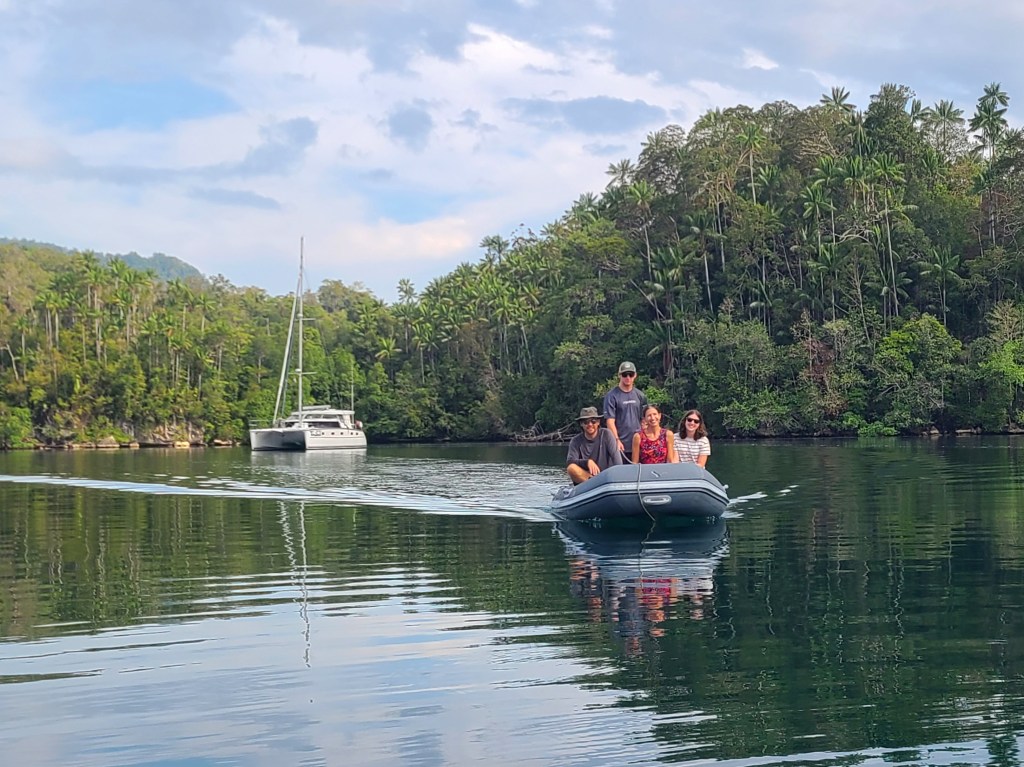
I was finally on the mend (thanks for all the well wishes!) and we decided to skip the clinic (my diagnosis will remain a mystery, though it wasn’t malaria) and proceed with our travels.
We officially arrived to Raja Ampat (Indonesia) on Nov 1, having completed our goal of traveling north through Vanuatu, the Solomons, and then up and over the northern coast of the immense island of Papua (the 2nd largest island in the world, behind Greenland). We debated this routing and I can say, looking at it from Indonesia, we are quite satisfied with our choice despite the challenges along the way. We had no personal security or weather issues, though the vigilance was exhausting at times. The people were welcoming along the way and the Hermits and Ninigos of PNG are on our short list of favorite places on our journey.
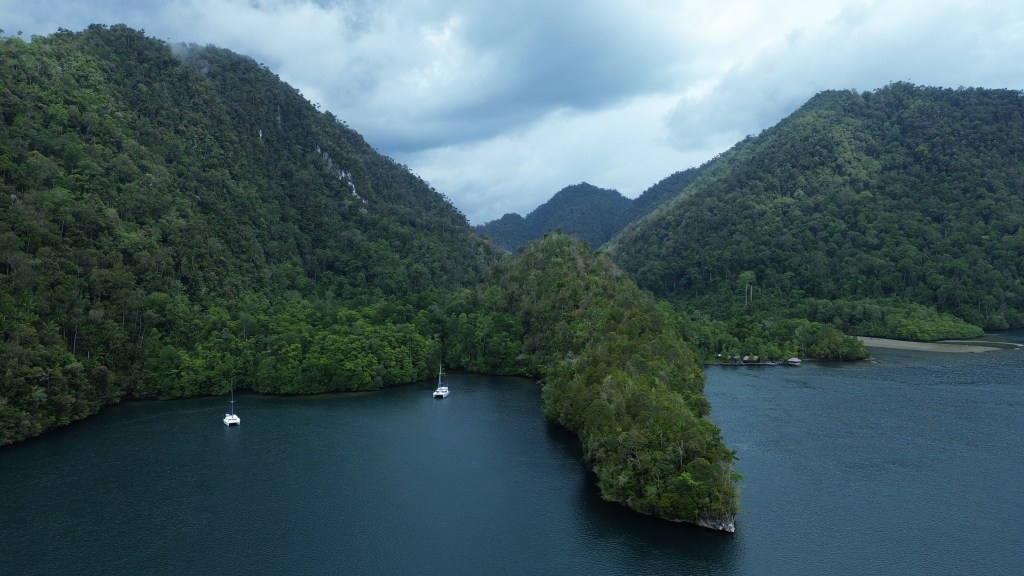
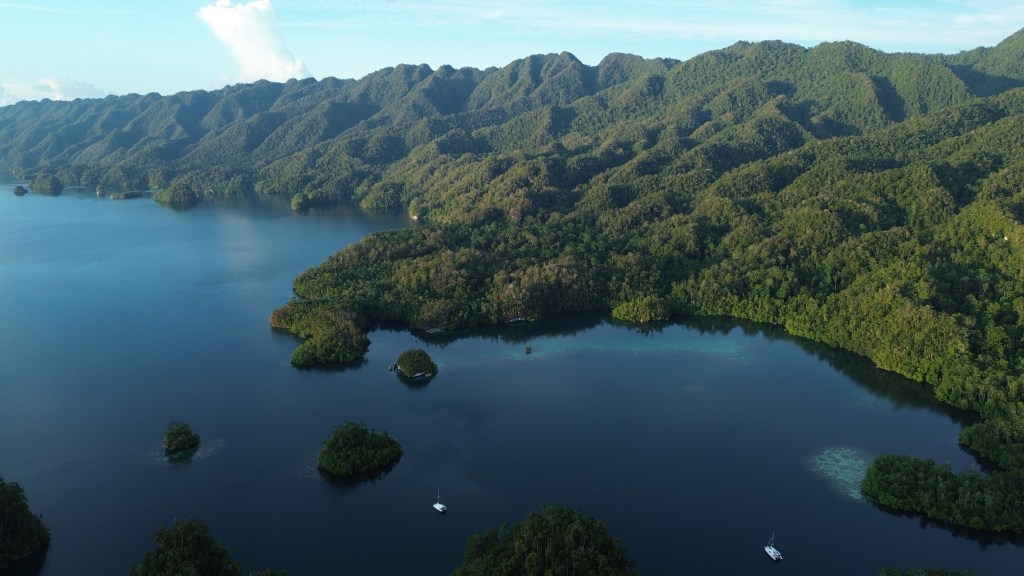
We decided to spend our first week in Raja Ampat (translates to “The 4 Kings”) not underwater with the coral, but rather up the remote and quiet Teluk Mayalibit (Mayalibit Bay), an enormous, sheltered marine bay that extends deep into the interior of Waigeo Island, nearly dividing it in two. Its name combines Maya, referring to the indigenous Maya people who originally inhabited the area, and libit, meaning bay; today, the region remains home to the Maya people, including the Ambel and Langgayan clans. Designated a marine protected area in 2007, the bay supports extensive mangroves, coral reefs, seagrass beds, fish nurseries, and diverse marine life.
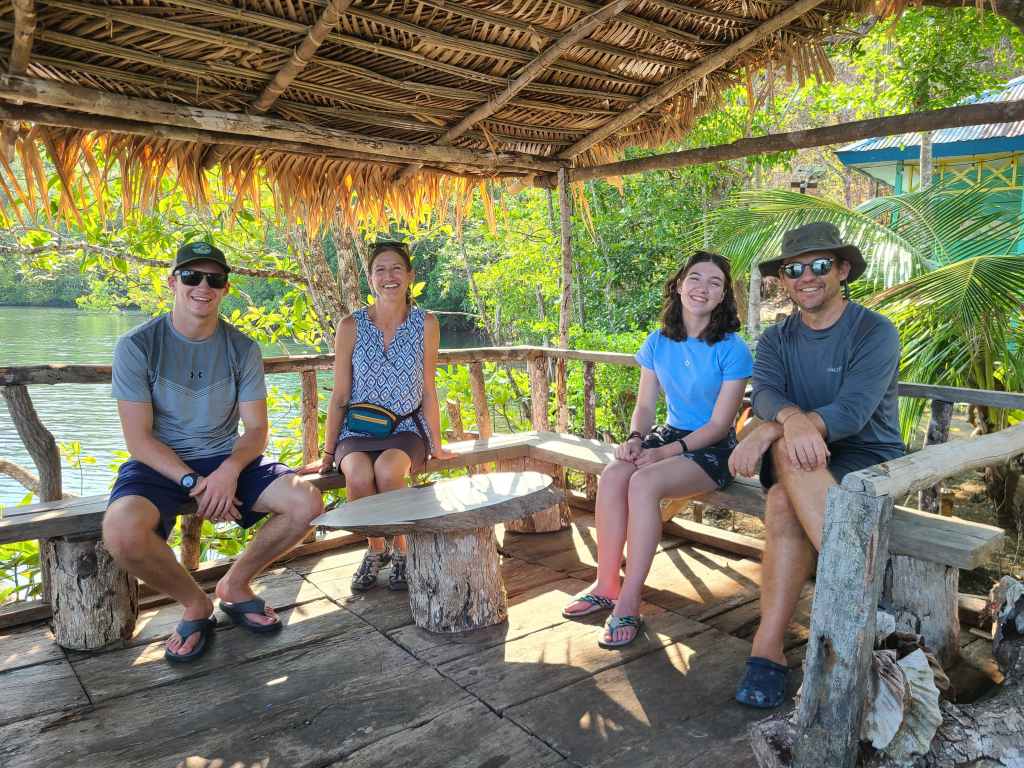
Our first anchorage at the entrance to Mayalibit Bay introduced us to some of the wonders of Raja Ampat with remarkable birdsong in the morning and evening. On shore we saw metallic beetles and moths with turquoise wings. One morning, two Willy Wagtails played on the boat, flitting from line to line, singing their songs and “wagging their tails.” We heard the ruckus of the sulfur-crested cockatoos and the deep call of the Wompoo Fruit-dove. In many ways, after entering the narrow fjord-like entrance from the ocean, we felt we were in the Pacific Northwest of the USA…just much warmer and with palms! At night, we had our first glimpse of a Phinisi, a legendary, handcrafted traditional Indonesian wooden sailing vessel that they now use for tourists and dive trips.
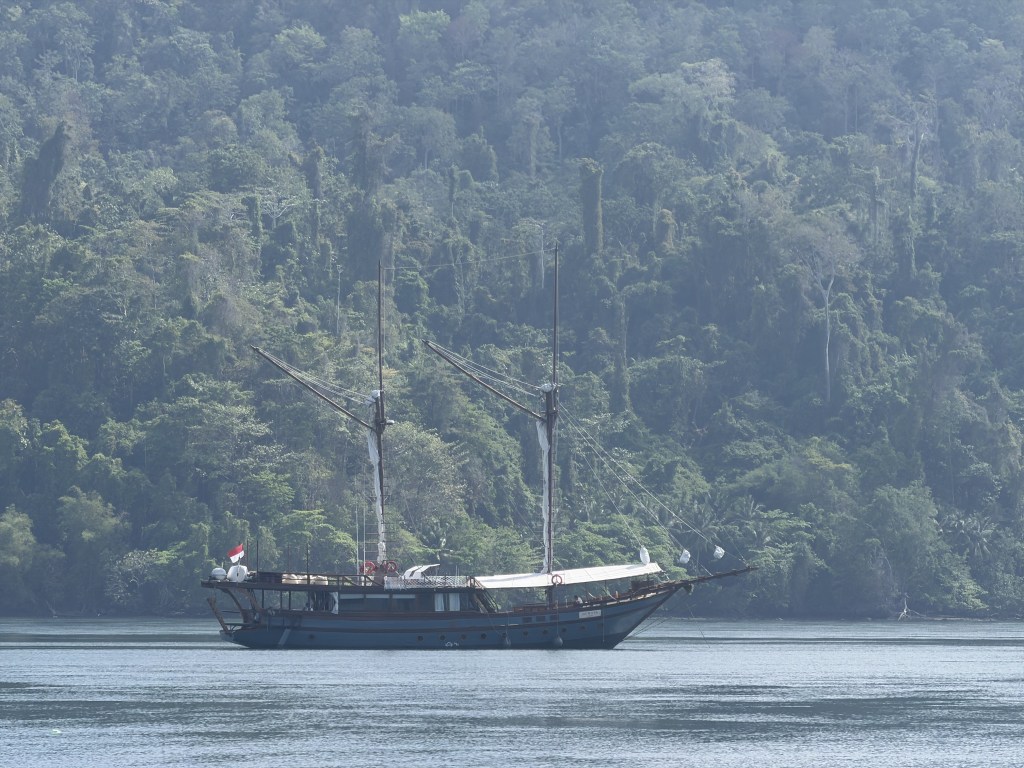
It was anchored near us, a two-masted schooner; UNESCO inscribed the art of Phinisi boatbuilding onto the Intangible Cultural Heritage list. They are handbuilt, relying on passed-down knowledge rather than blueprints or engineering drawings. The construction process incorporates sacred rituals, from picking the right timber (usually ironwood or teak) to blessings during the laying of the keel. They feature 7 sails across two masts to symbolize the 7 seas of the world.
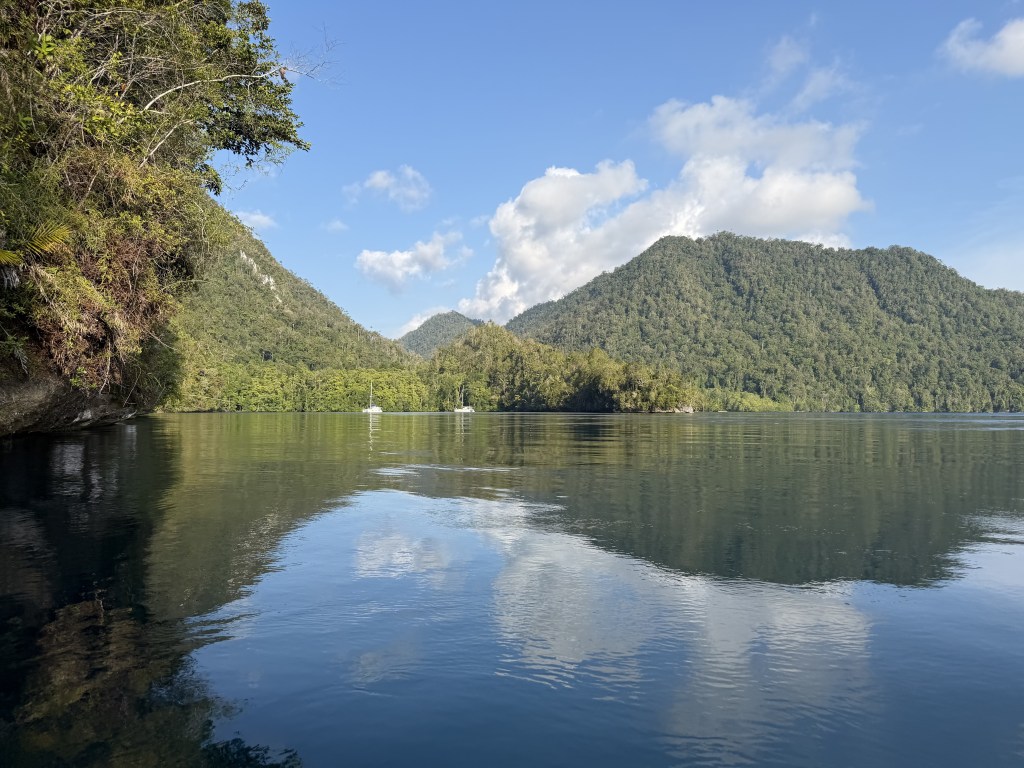
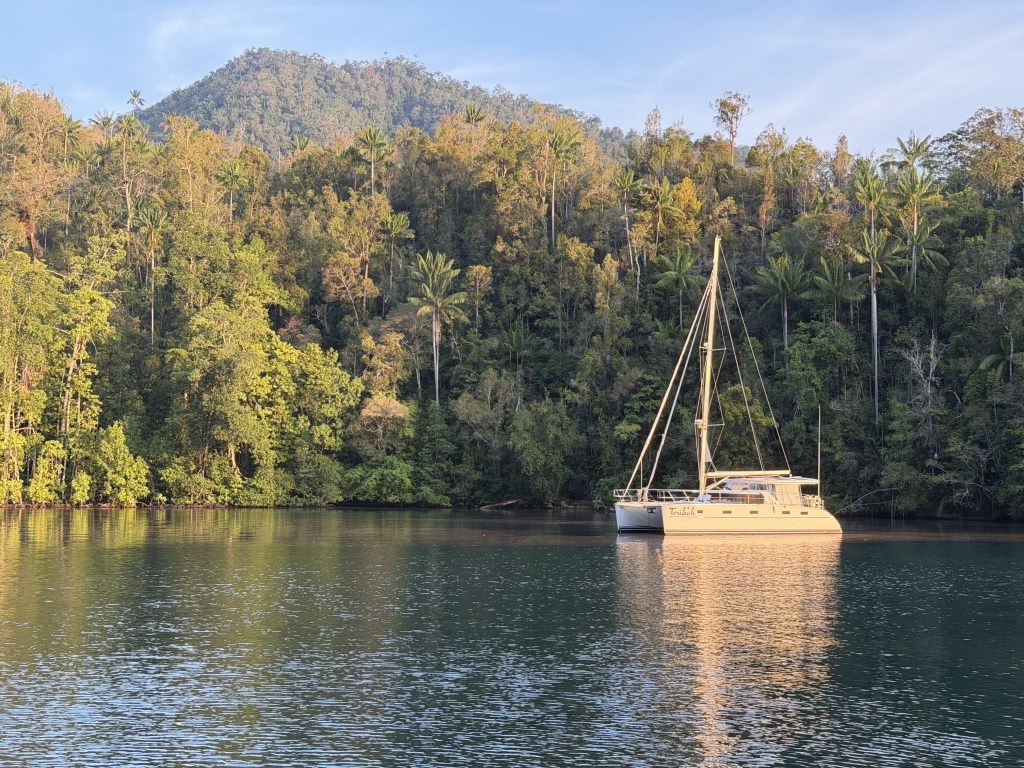
Our next anchorage was deeper up the bay, as we caught 4 knots of swirling current (with us thankfully), as Terikah turned and tucked in a basin of steep limestone cliffs with towering palm trees.
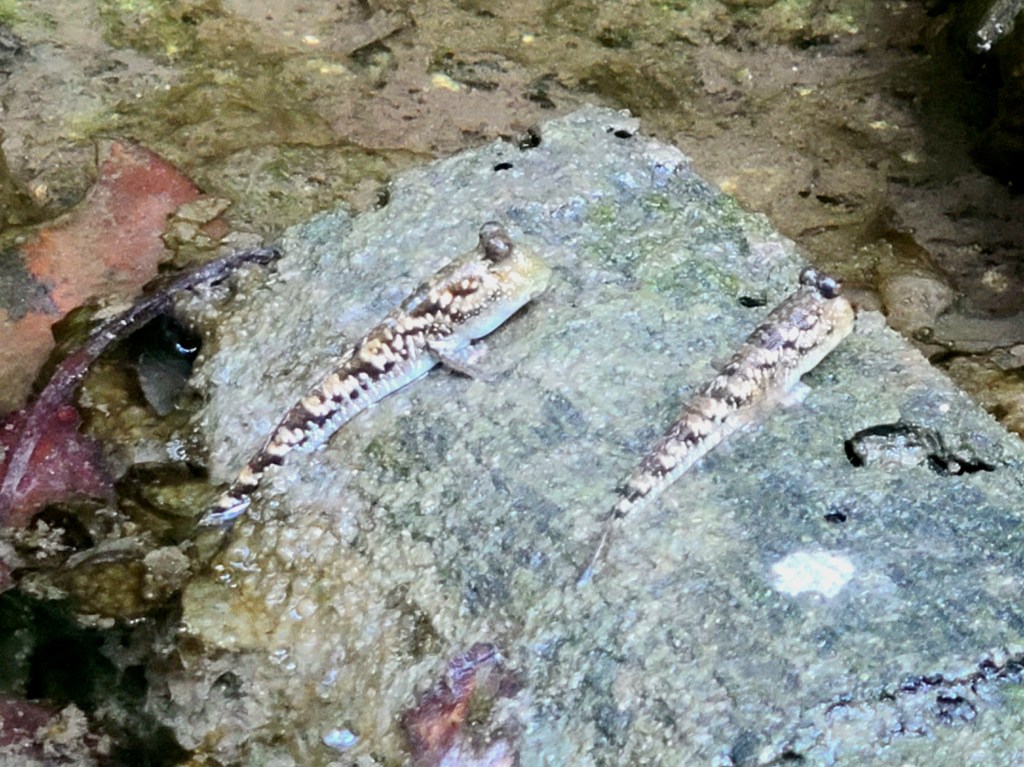
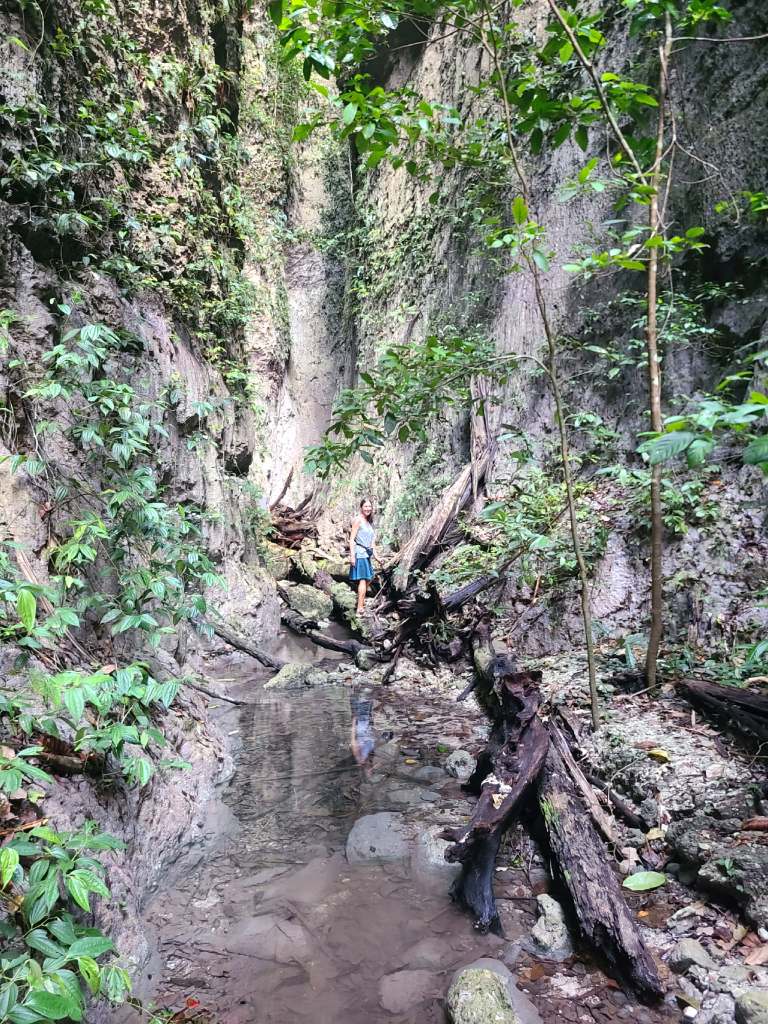
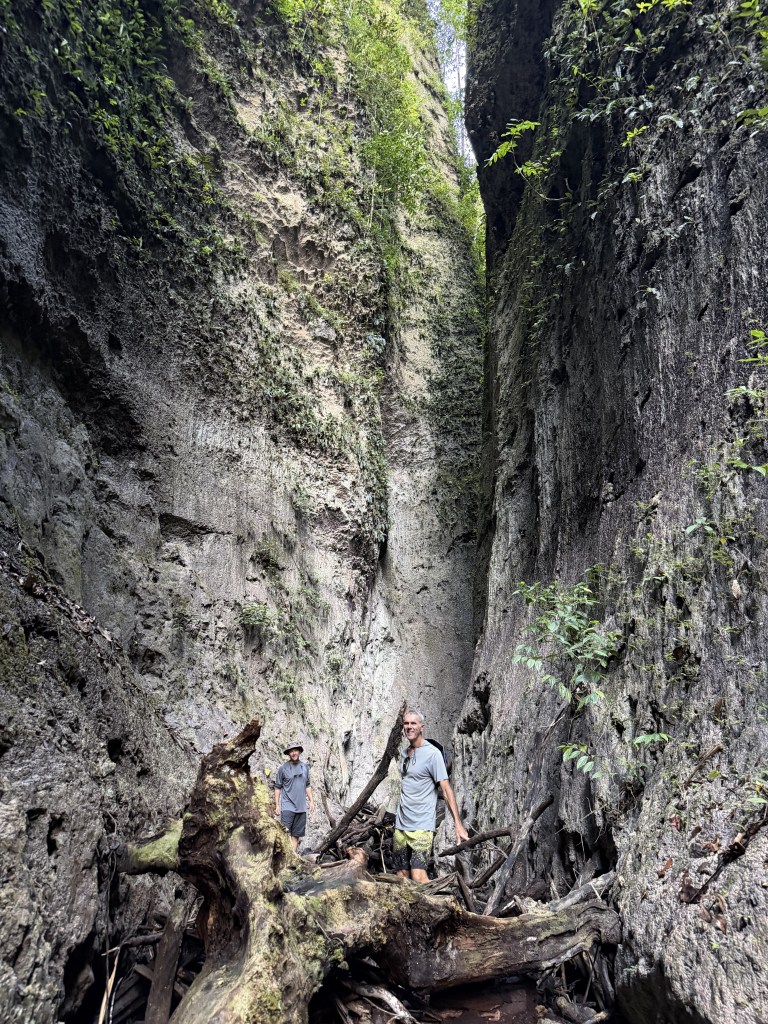
We explored a slot canyon where comical little mudskippers hopped across the water and popped their googly eyes above the mud.
At night, we were witness to the traditional fishing communities who practice balobe—using lights at night to attract fish into shallow pools formed by limestone reefs. The fishermen would also head out to long bamboo poles posted and tied off to the cliff walls, part of a traditional fishery to attract and catch lema (Indian mackerel).
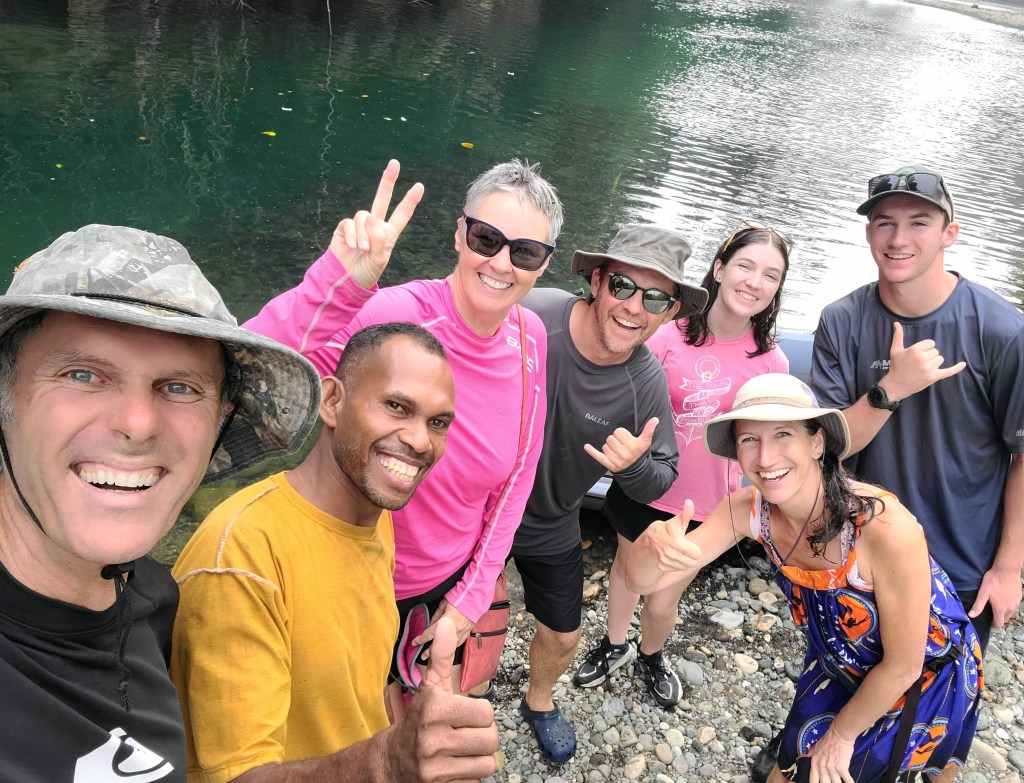
We took our dinghies up a river, where a friendly local man waved to us and helped us through the shallow region of water to tie off in his yard.
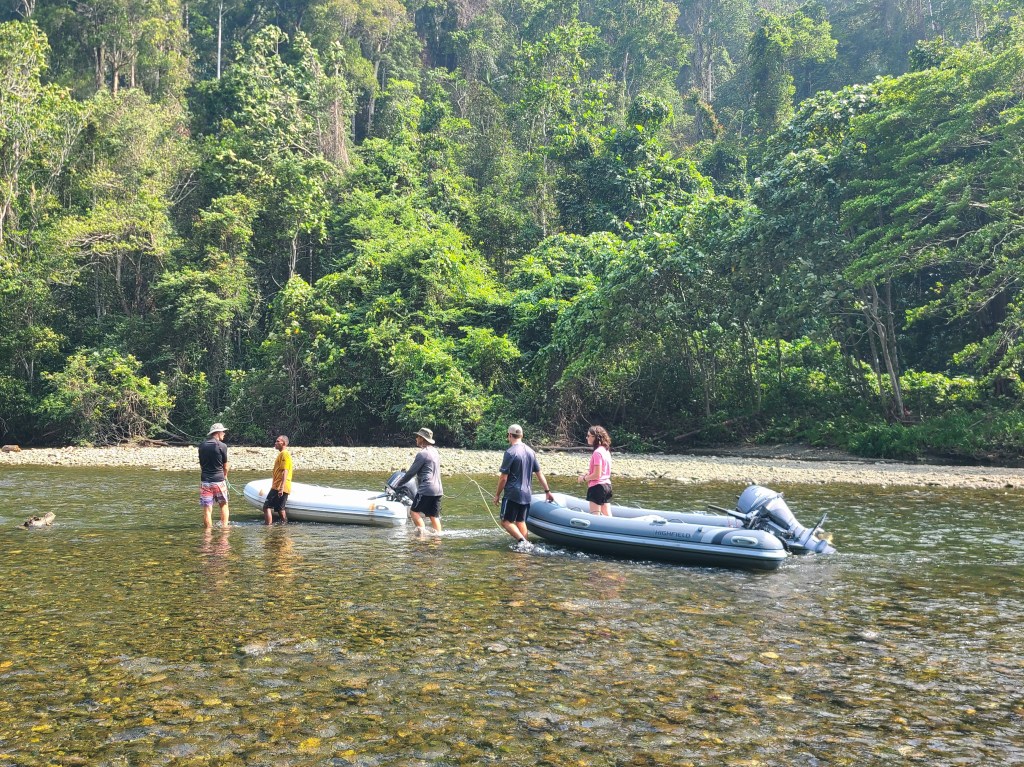
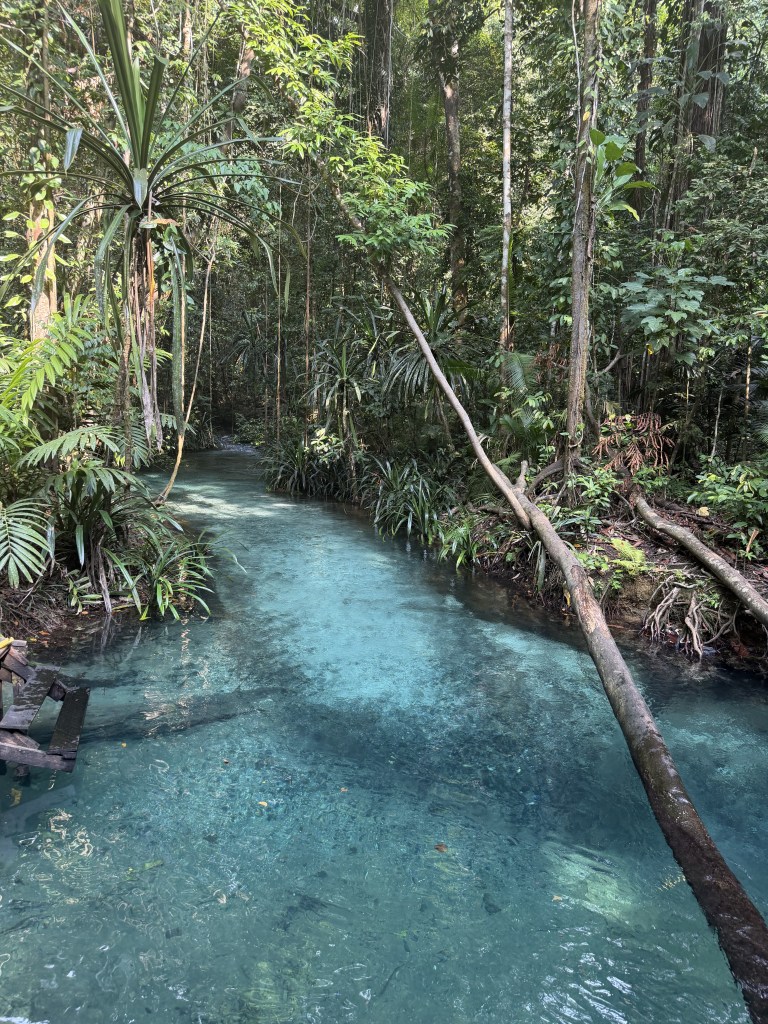
From there, we walked further up the river and down a jungle trail to Kali Biru (the Blue River), a fresh natural spring with an extraordinary blue appearance fringed by jungle and birdsong.
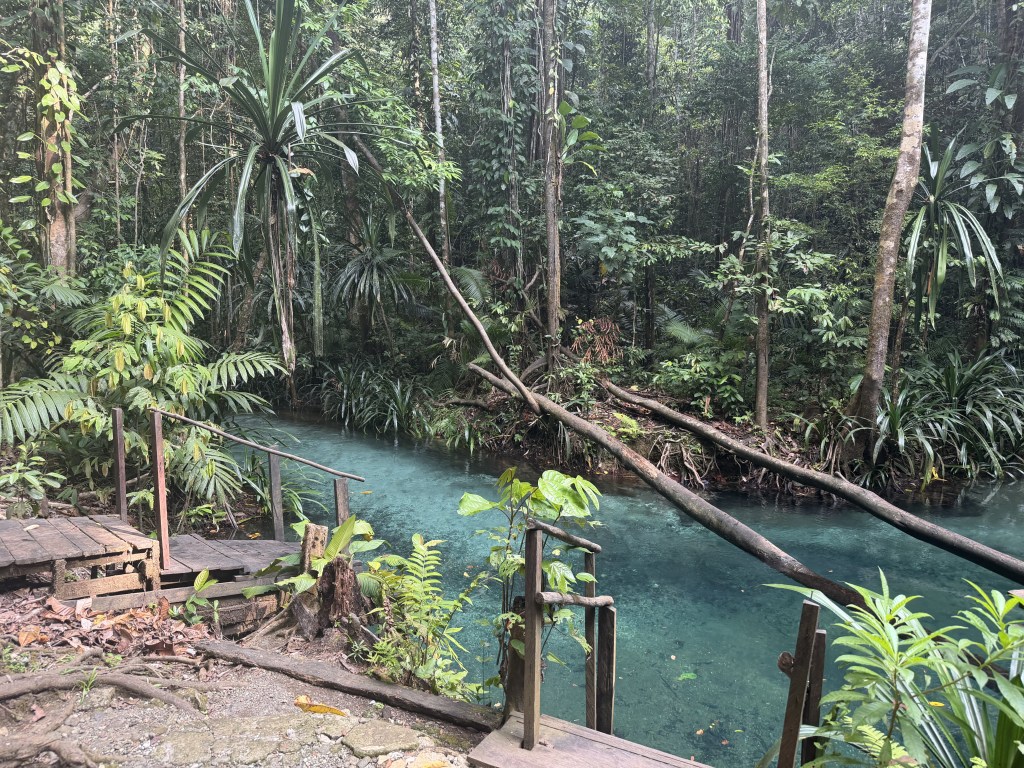
The water felt wonderfully cold and our bodies actually felt cool for the first time this month, a feeling that lasted quite a while, so wonderful not to just be sitting and sweating.
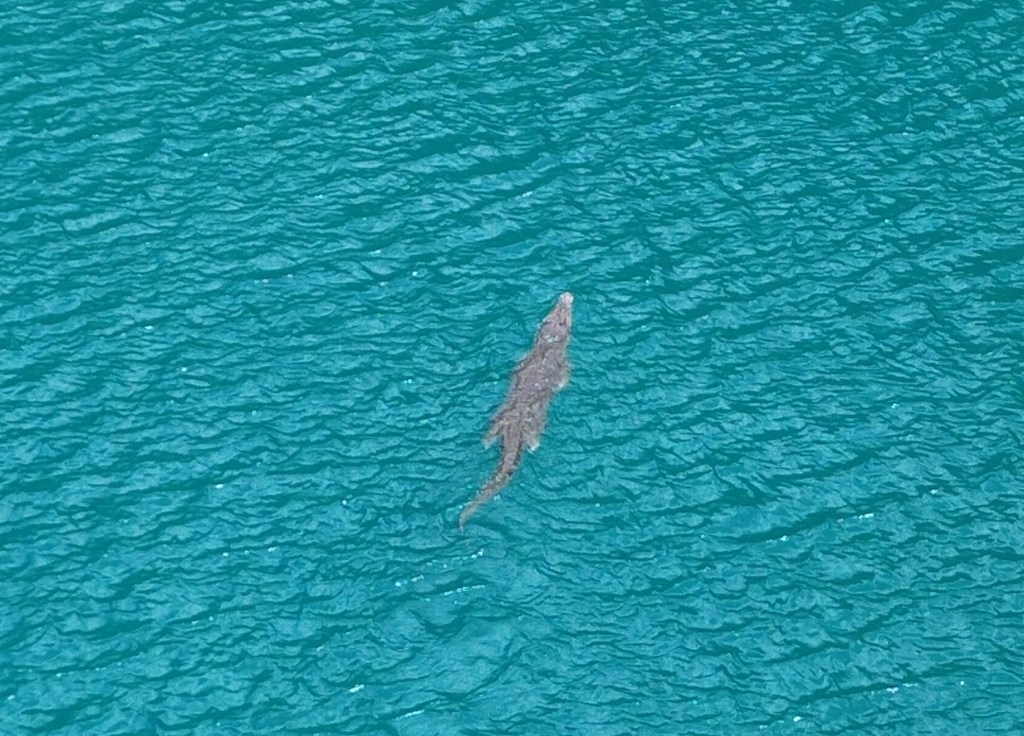
The next morning, as Chris was enjoying his coffee in the cockpit and looking around, he spotted a suspicious-looking log. Yes, our first saltwater crocodile! We think Humphry (our name for him) was at least 8 feet long and quite beefy in girth. Needless to say, we won’t be swimming in this murky mangrove water! He hung around behind the boats for quite some time—a terrifying treat to see one in the wild.
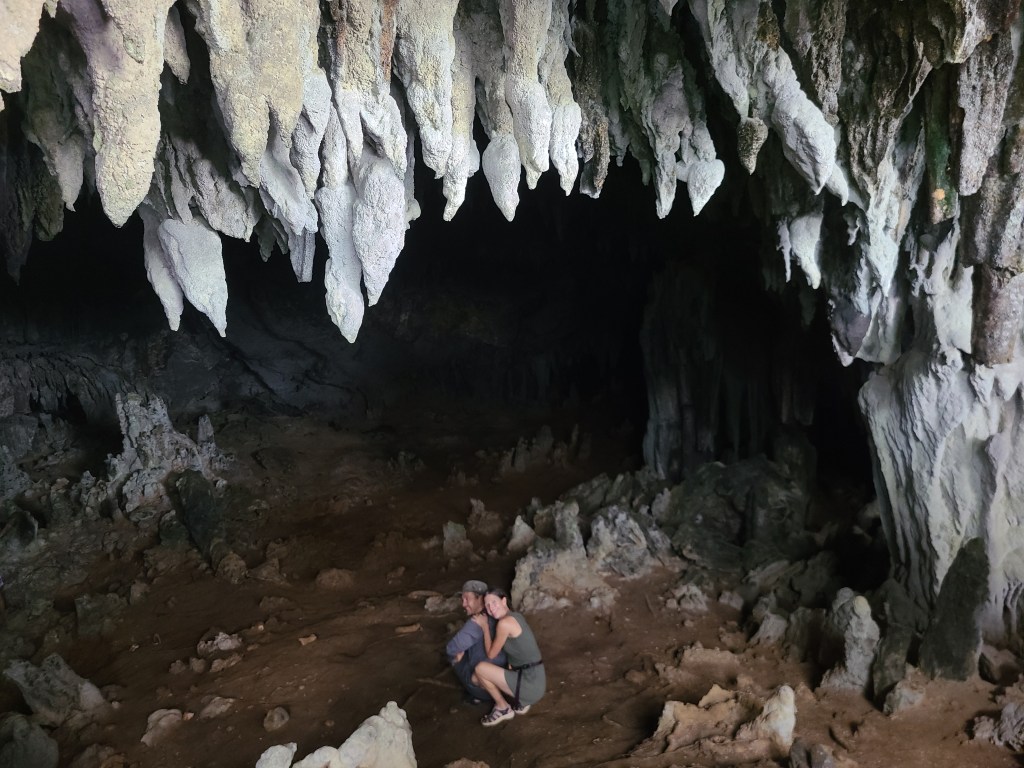
Next, we headed over to Goa Cave, a location our friends had sleuthed out. We scampered up the muddy bank to the cave entrance and wandered around inside, with the chatter and flutter of bats overhead.
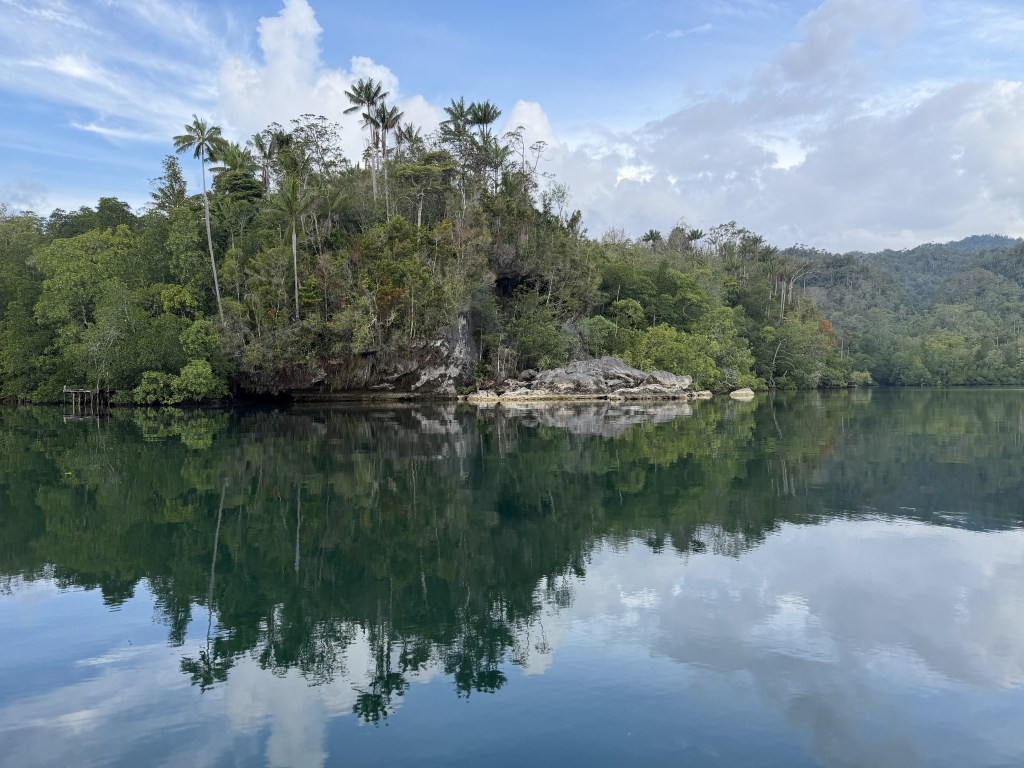
Our next anchorage was further up the bay, surrounded by limestone islets covered in palm trees. The water was flat calm, perfectly reflecting the shoreline. From there, we headed off to Kolum Ajelly Canyon and its swimming hole. Hiking up the canyon felt a little eerie, with mantis shrimp and their pincers lurking in the puddles we waded through, and a rock falling from above and splashing into the water right in front of us.
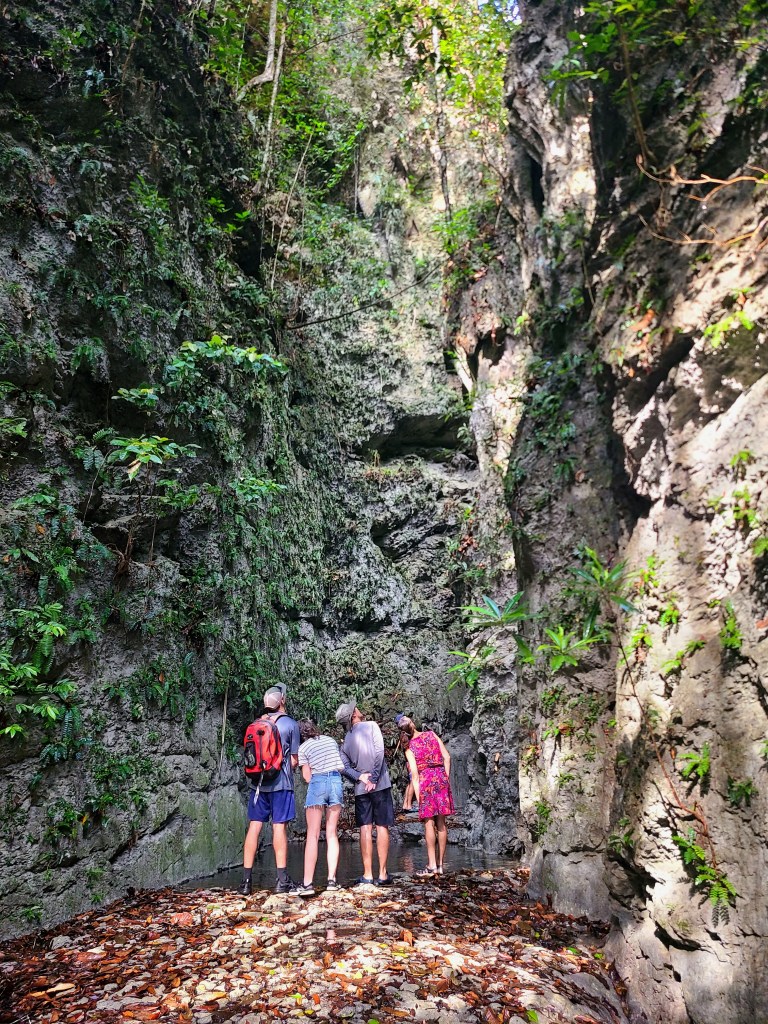
The distant thunder gave us pause—thunder or rockslide? Thankfully, just thunder.
After exploring for a while, we returned to the boat to the loud, steam-engine-like sound of pairs of hornbills flying overhead. Their flight is especially noisy because they lack some of their underfeathers.
Waking in the night, we watched the flat water glitter and dance with phosphorescence, seemingly mimicking the stars above.
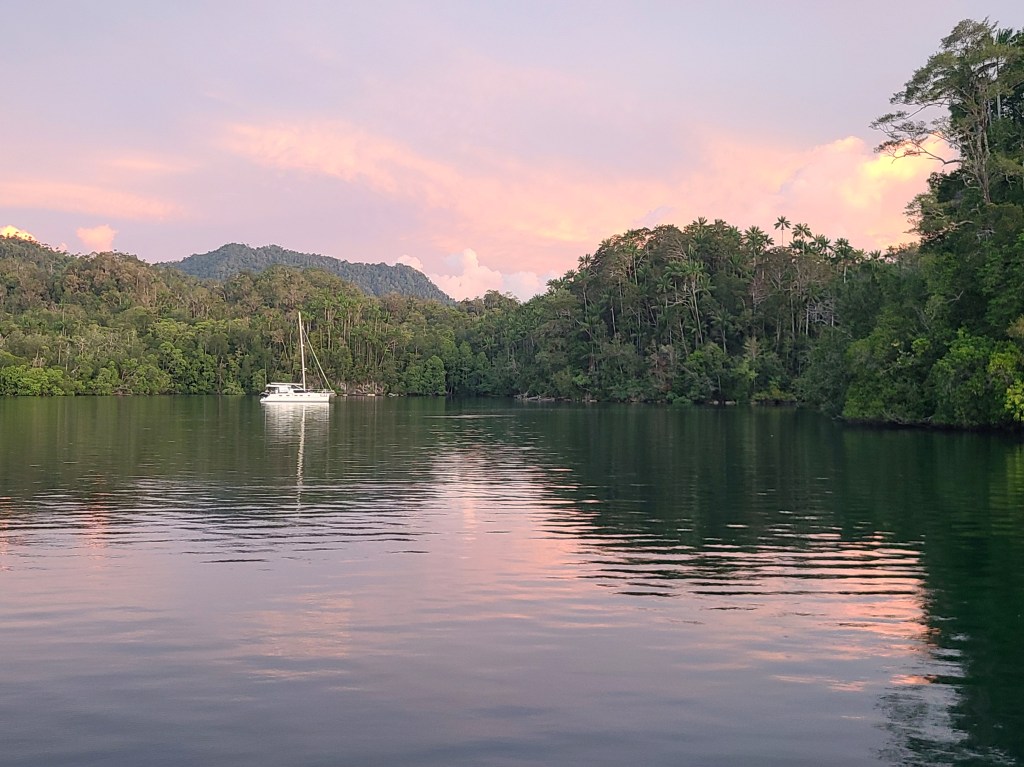
Our time in this peaceful bay was coming to a close, but we were thankful to have found such a remote location for our first week in Raja Ampat.