On our 370-mile three-night passage from Kavieng to the Hermit Islands, the winds were less than predicted and had to use some of our precious diesel. We had hoped for at least 8-10 knots of wind but were only getting 4-6 knots. I tried sailing for a bit on my watch but, after going only 2.8 nm in an hour, decided that this was not going to work well.
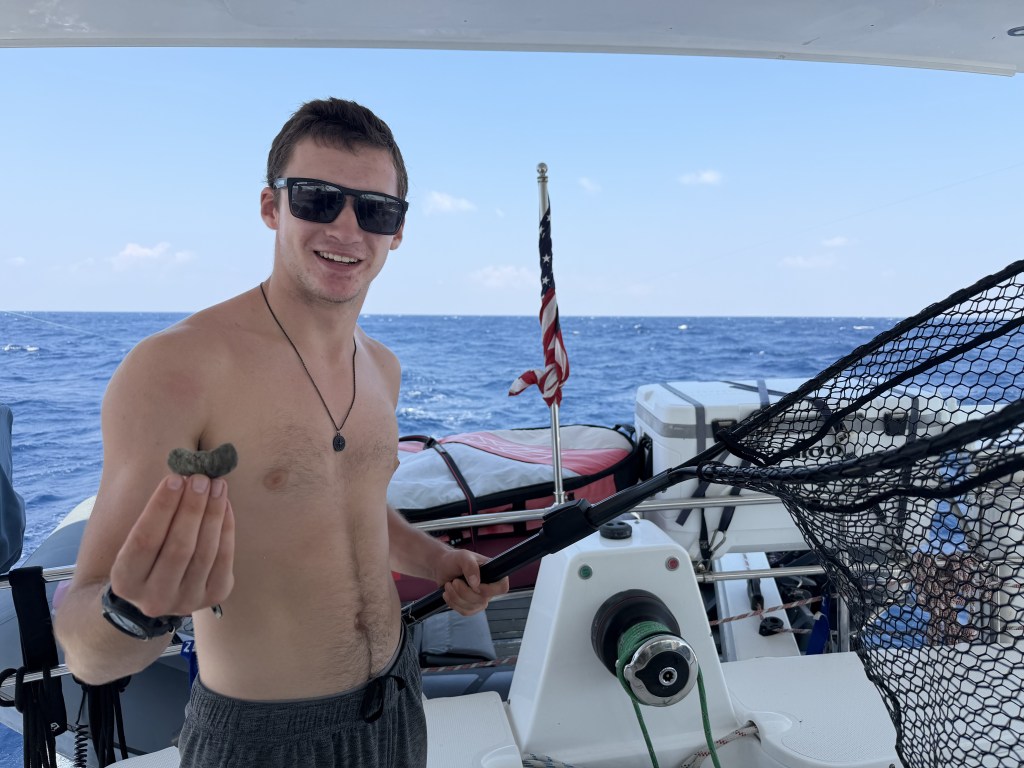
We had heard warnings about pumice rafts up to 3 meters thick coming up from an undersea volcanic eruption near Titan Ridge that began in early May 2026, about 78 miles southeast of our location. We were traversing at night and the reports were that pumice was drifting NW and migrating around the region. We stopped motoring and sailed slowly to protect our engines, as fine volcanic glass and small stones can quickly clog raw water cooling intakes or destroy impeller pumps. The next morning, we saw lines of pumice that looked like small rabbit turds on the water with an occasional baseball sized chunk mixed in. Calder and I brought out our fishing net and “caught” some as they floated by, excitedly declaring, “We got a big one!” Definitely a new experience, sailing through volcanic pumice from an active underwater volcano!
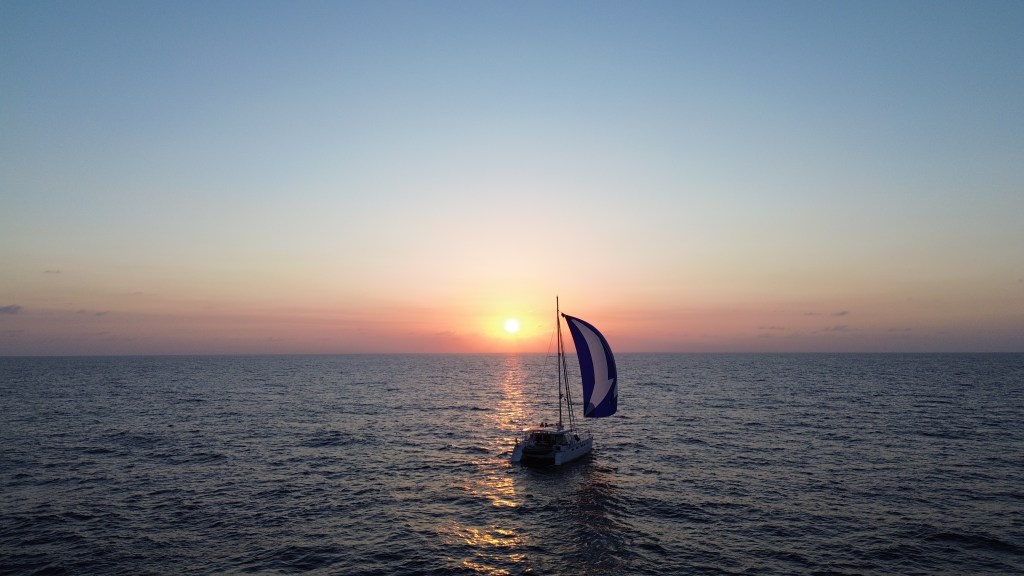
We did a downwind mix of motoring, sailing, and motor-sailing on an overall mellow passage, even getting drone shots with our asymmetrical spinnaker underway.
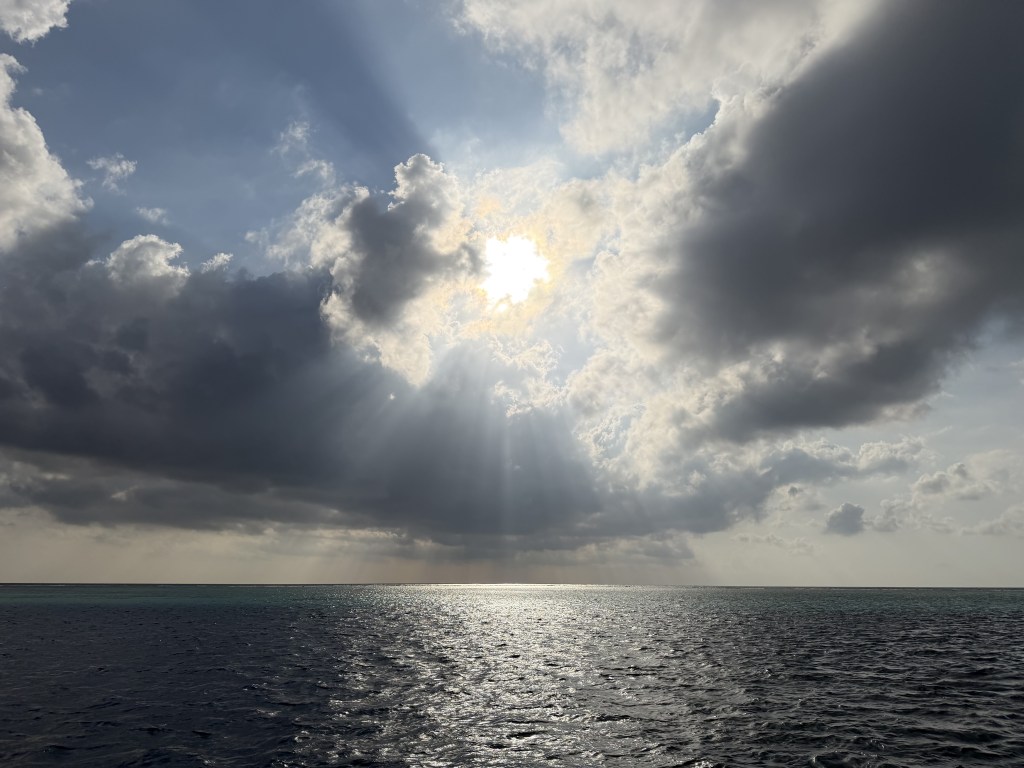
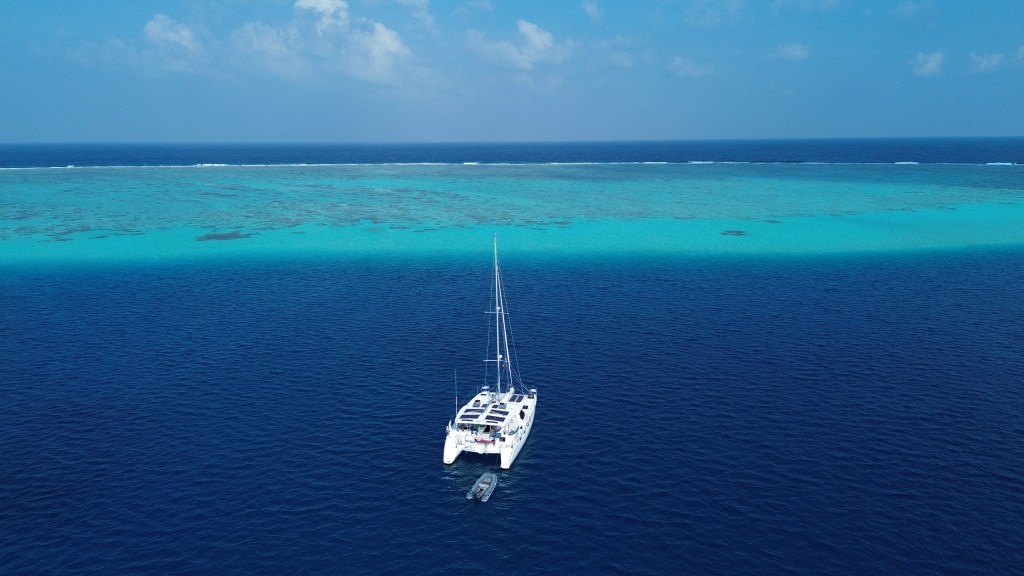
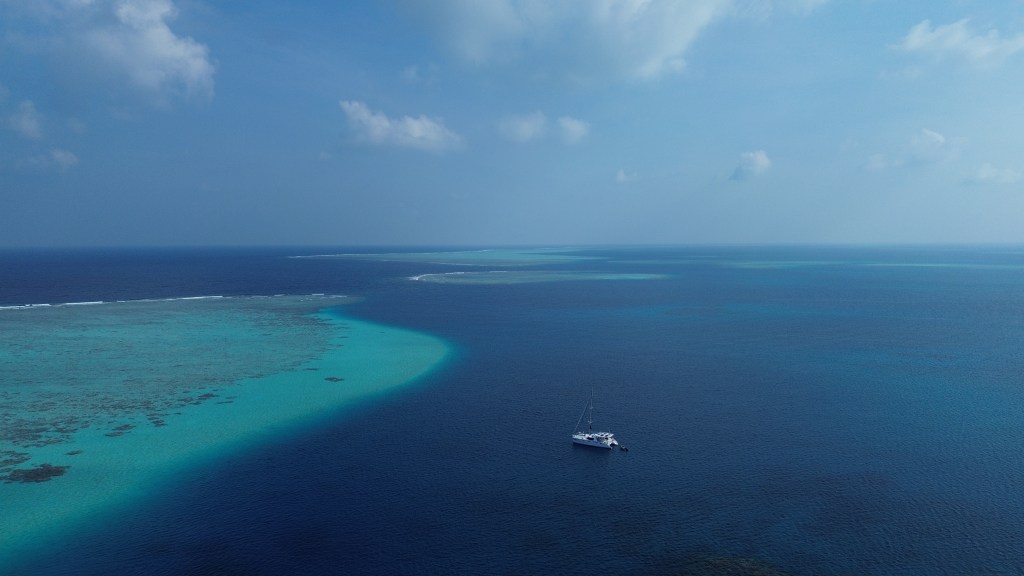
Into Alacrity Harbour of the Hermit Islands, various shades of blue in all directions; stunning.
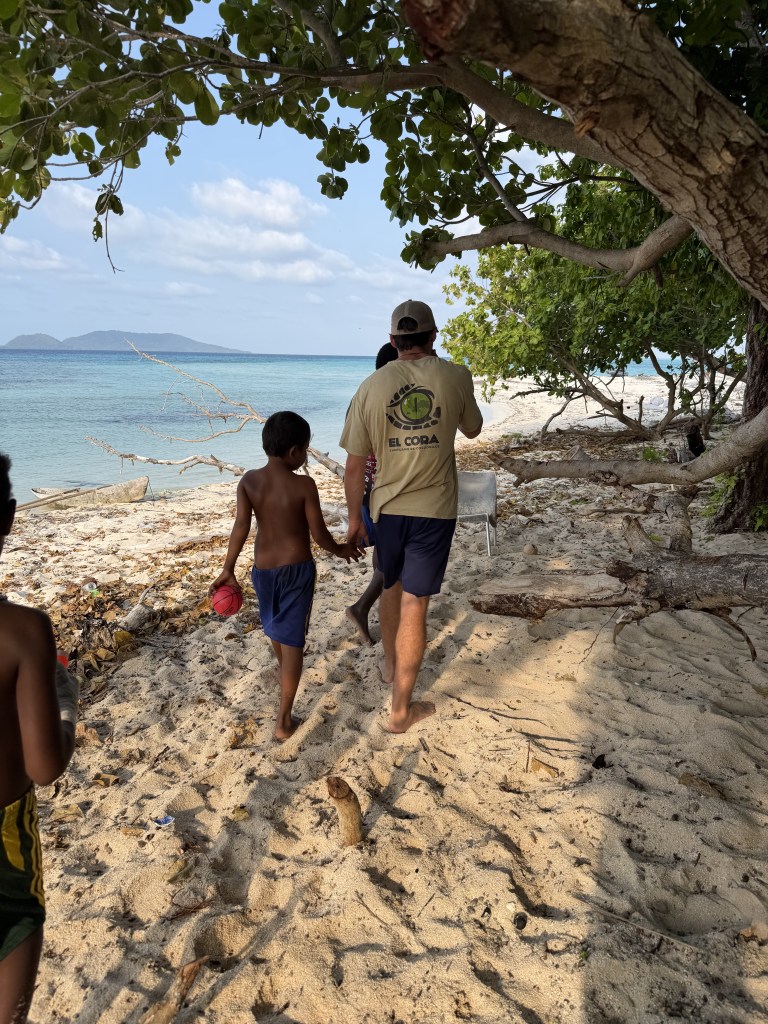
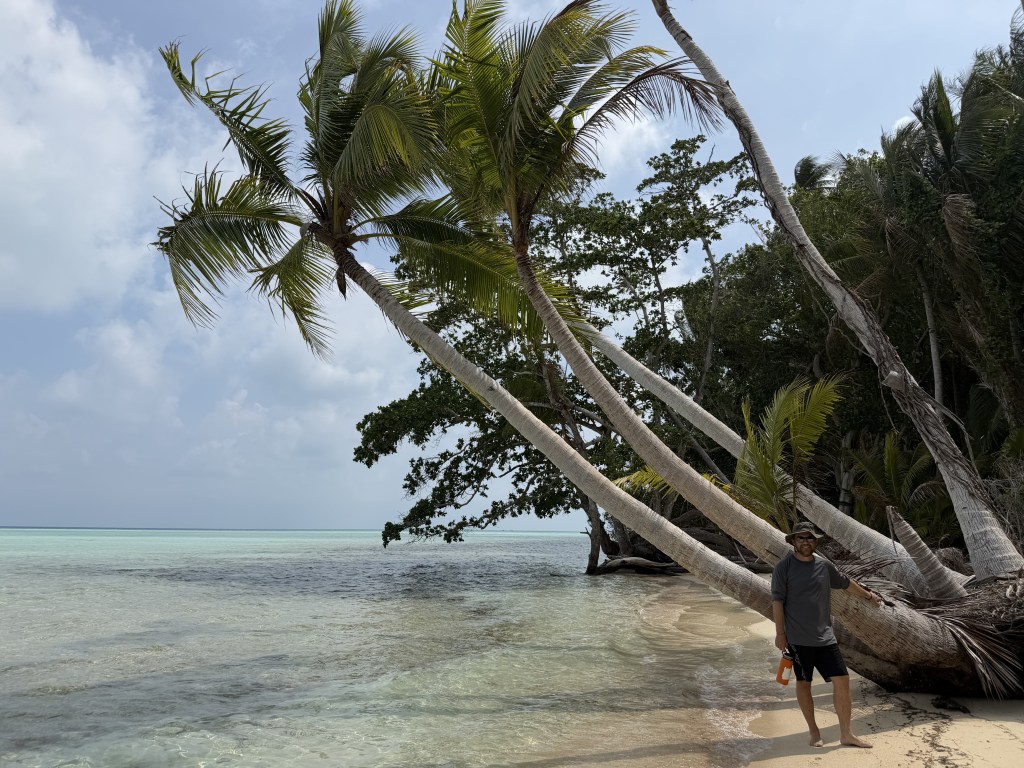
We walked around a nearby deserted palm jungle island, fished, relaxed, and slept well with windows open and unlocked.
We recognize the tension that has been there for us the last 6 weeks – locking one’s boat tightly at night, clearing the decks of everything, and putting out makeshift weapons does not exactly create a relaxing environment. It felt like we had run the gauntlet (of crocs and raskols) and were out the other side. Big sigh of relief. That being said, I am thankful for the experience, the kind people along the way, and our safety during those 6 weeks.
Lines of small pumice continue to drift past our boat. The quality of our water from our water maker is not great (580 ppm) so Chris worked on this, along with other projects.
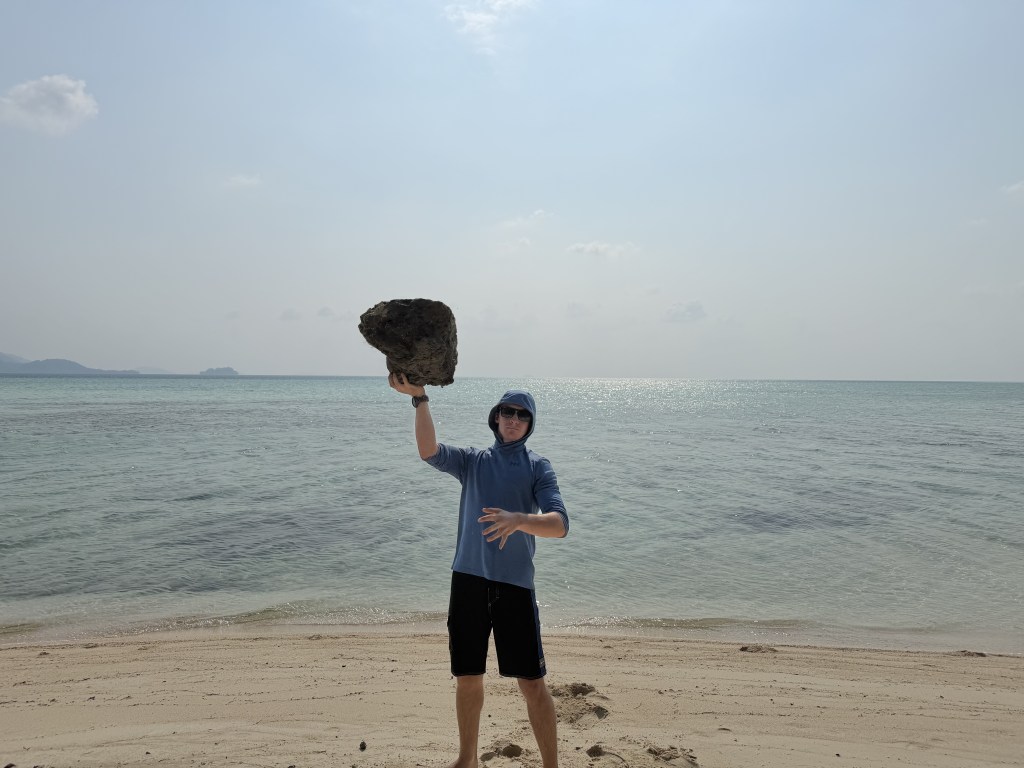
September 29, 2026: Happy 3 year Cruise-a-versary Terikans!! It was 3 years ago that we moved on board Terikah in San Diego.
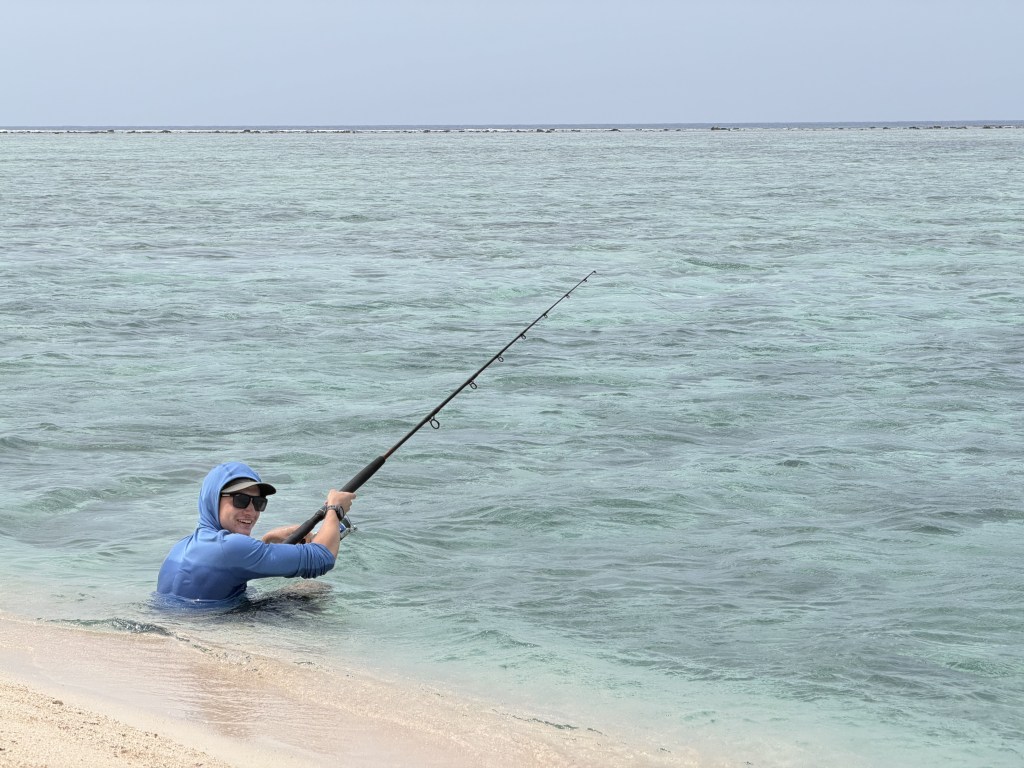
Time to explore one more Hermit island anchorage, and we had a GREAT sail outside the atoll until turning back into the lagoon and motoring. We hooked a marlin that leapt a couple of times and then got off. We anchored in a patch of sand surrounded by turquoise waters.
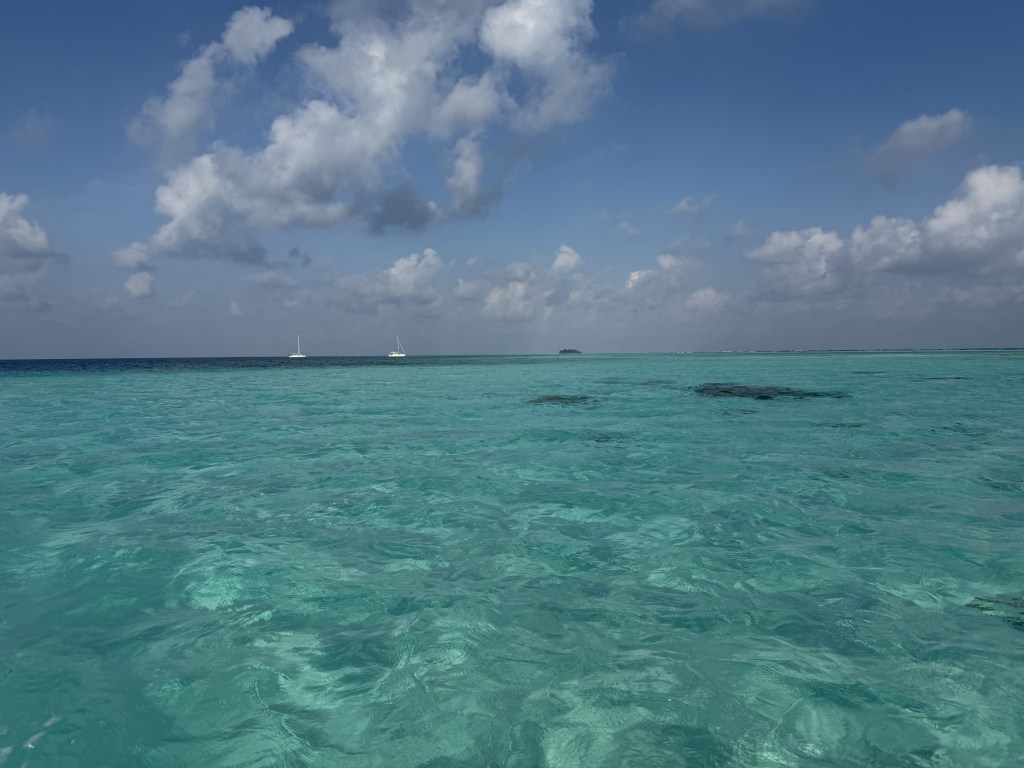
Nearby was a community of 4 families on Penau Island and, after our anchor was set, we went over to the community to ensure it was fine where we were anchored. Out in the water off their shoreline were numerous people; are they fishing? No, they are racing small models of their traditional sailing canoes!
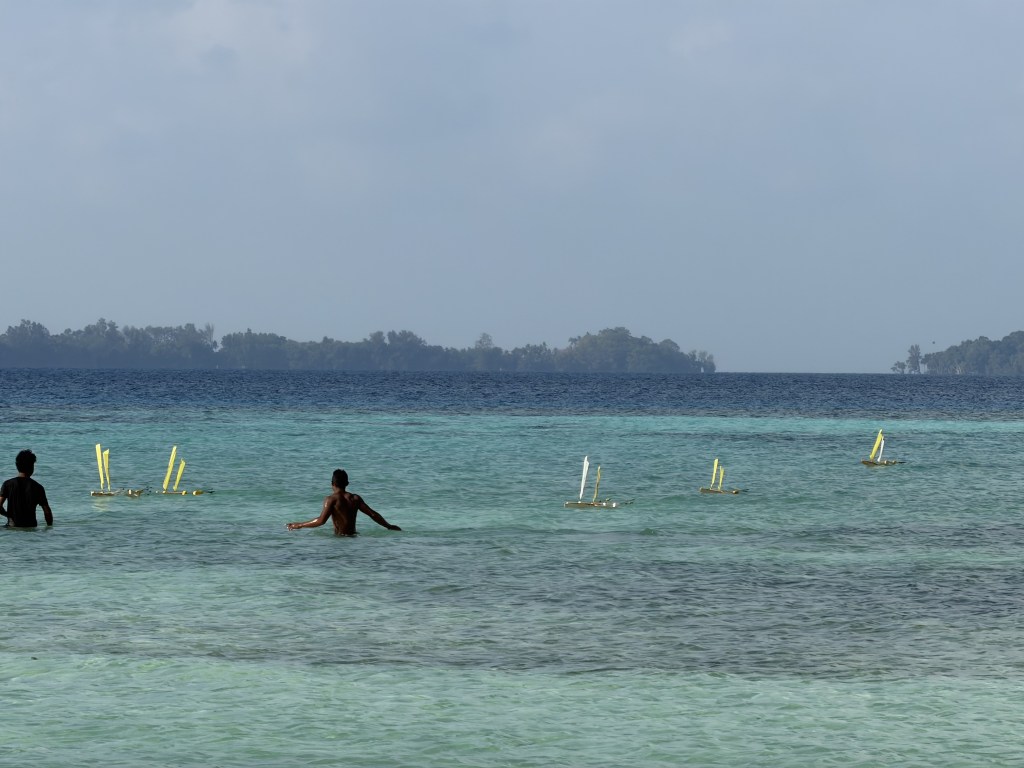
This community seemed to have a surplus of teenagers that was baffling. The nearby secondary school, Akib High School, had run out of water due to the drought and school had been put on hold. Many of the teenagers had moved over to this community, as they were from nearby Ninigo Islands (our next destination) but it was too cost-prohibitive to get home. Most of the families here are actually from remote Liot Island, Ninigos, and many moved here for the sea cucumber fishery. They showed us photos of the sea cucumbers and they are the same ones fished in our Alaskan waters, connecting this industry across the Pacific.
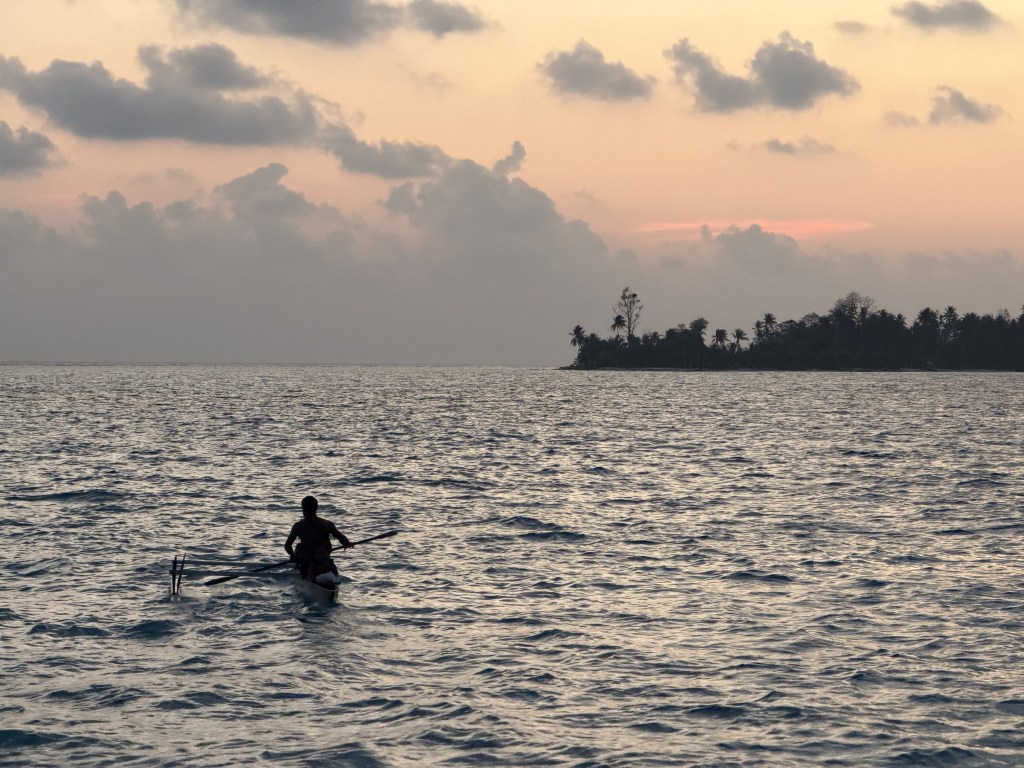
On shore, Robert provided us with refreshing coconuts to drink and invited us to hang out and see the races tomorrow, hopeful that we could provide some fun prizes. We asked how they were doing with the drought and they simply stated, “We are out of water.” Wait, out out of water? This did not compute; how can you live without water? They drink coconuts and have a saltwater well that they use for cleaning. We were happy to fill up their containers with fresh water and gave our water maker a work-out, a common theme as we moved through these islands.
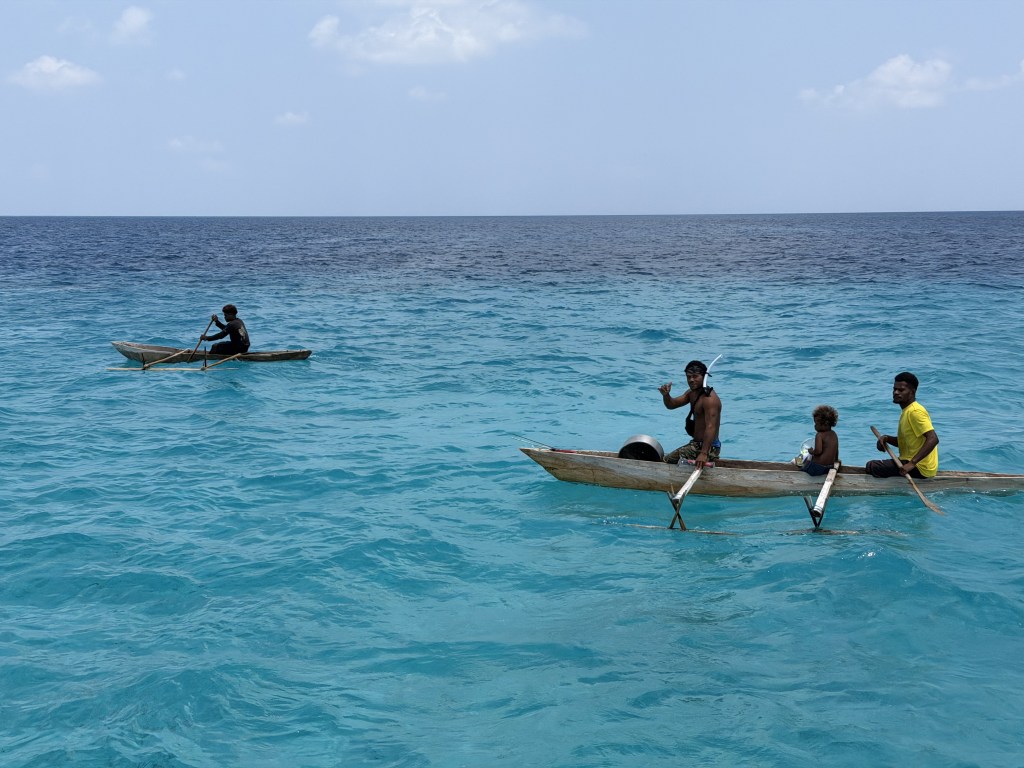
Back to the boat, we soon had visitors bringing us fresh produce in exchange for Wi-Fi. Many of them have a phone but no service and a key resource we can provide to them is connection with their family through Wi-Fi. Gerry and his two children spent quite a bit of time in our cockpit and I totally adored Vaila.
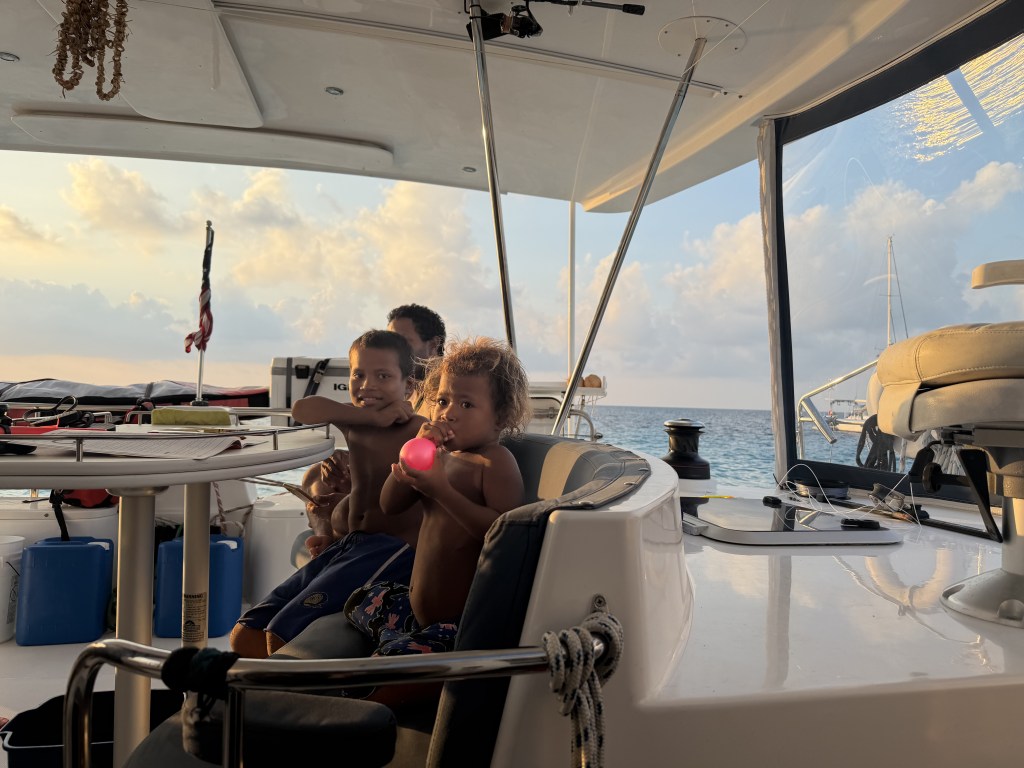
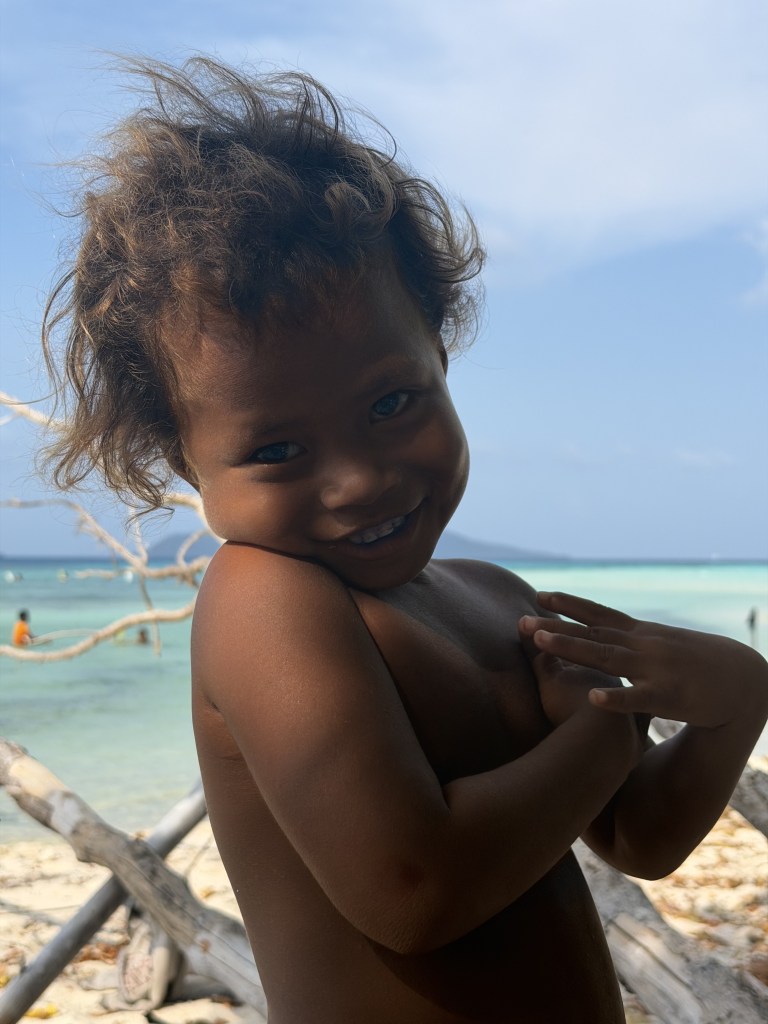
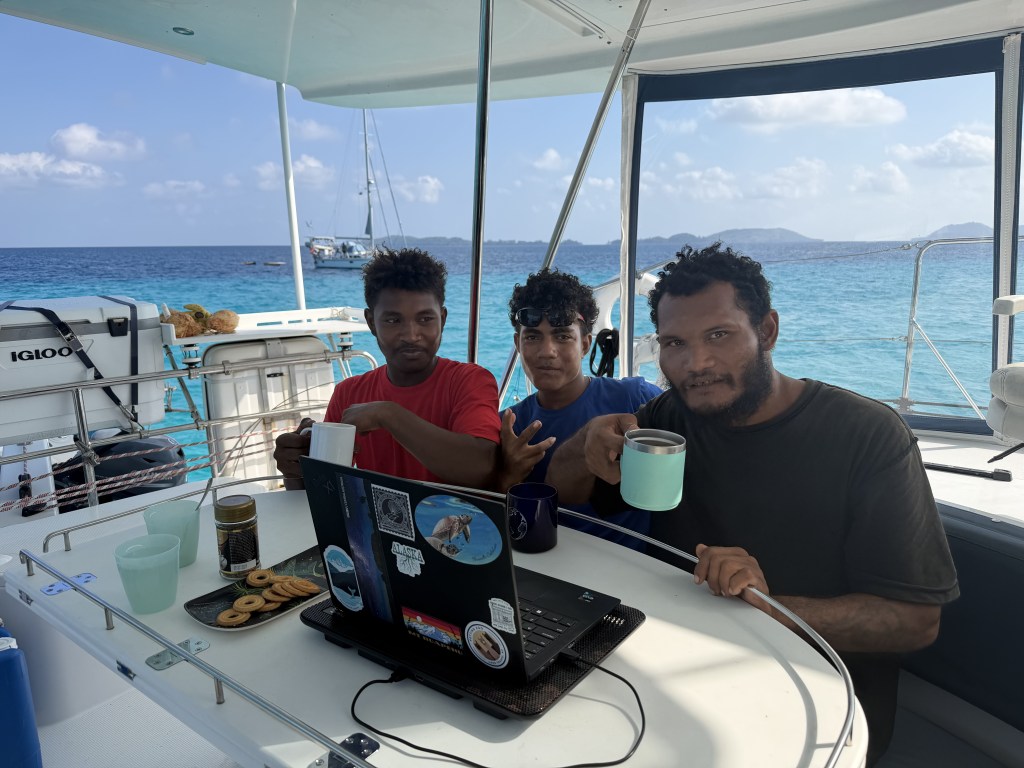
Silum spent quite a bit of time in our cockpit as well online. We put out a steady supply of cold drinking water, coffee, and sweet biscuits. The village claimed fame through the YouTube channel Parlay Revival, as two episodes were filmed here and they enjoyed watching these episodes in our cockpit.
Next afternoon, we went over to the shore for the races, the village having put out a spread of fresh drinking coconuts and various foods for us to enjoy as we watched.
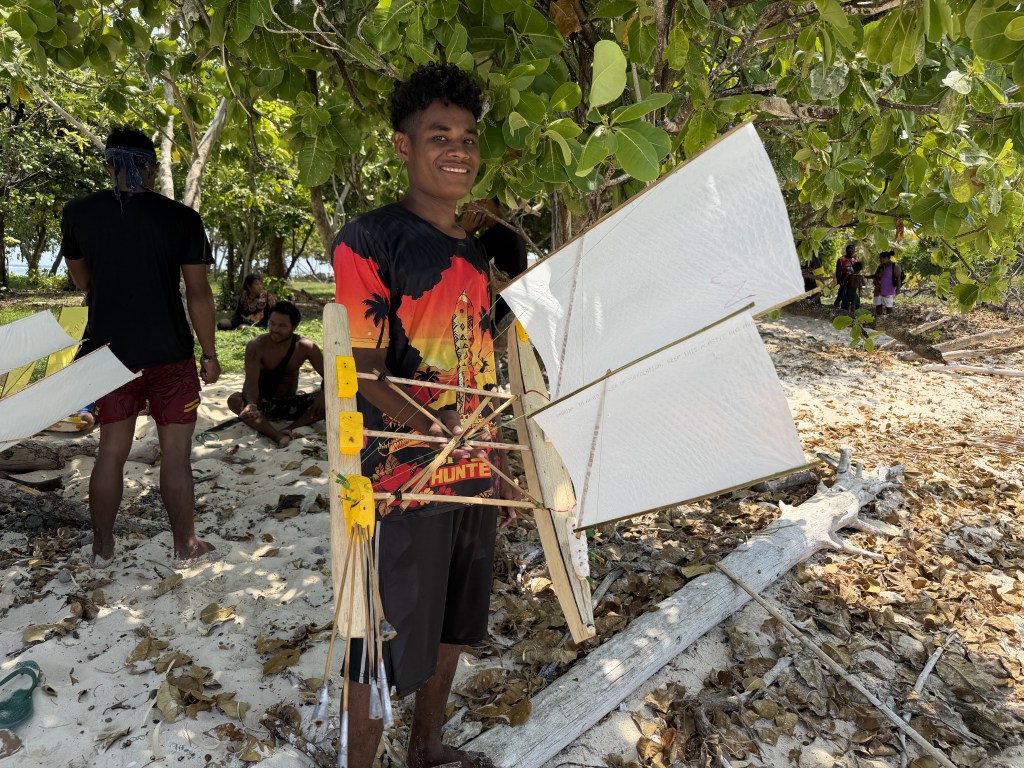
We had chairs and benches set up in the shade under a large tree with nesting red-footed boobies with healthy GI systems that occasionally rained down. There were two classes of models based on length and there were 5 races in each class with a point system, all kept track of on a piece of plywood.
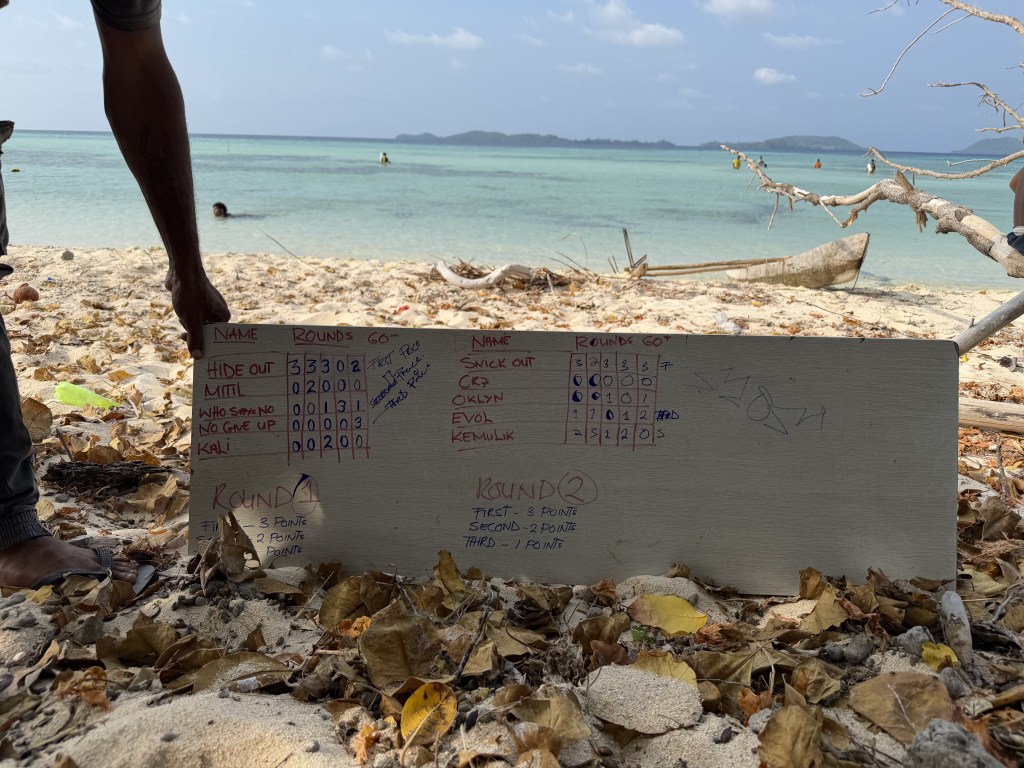
The boats tracked very well and it was enjoyable to watch, but the best was their spirited reactions to winning or debating the winner.
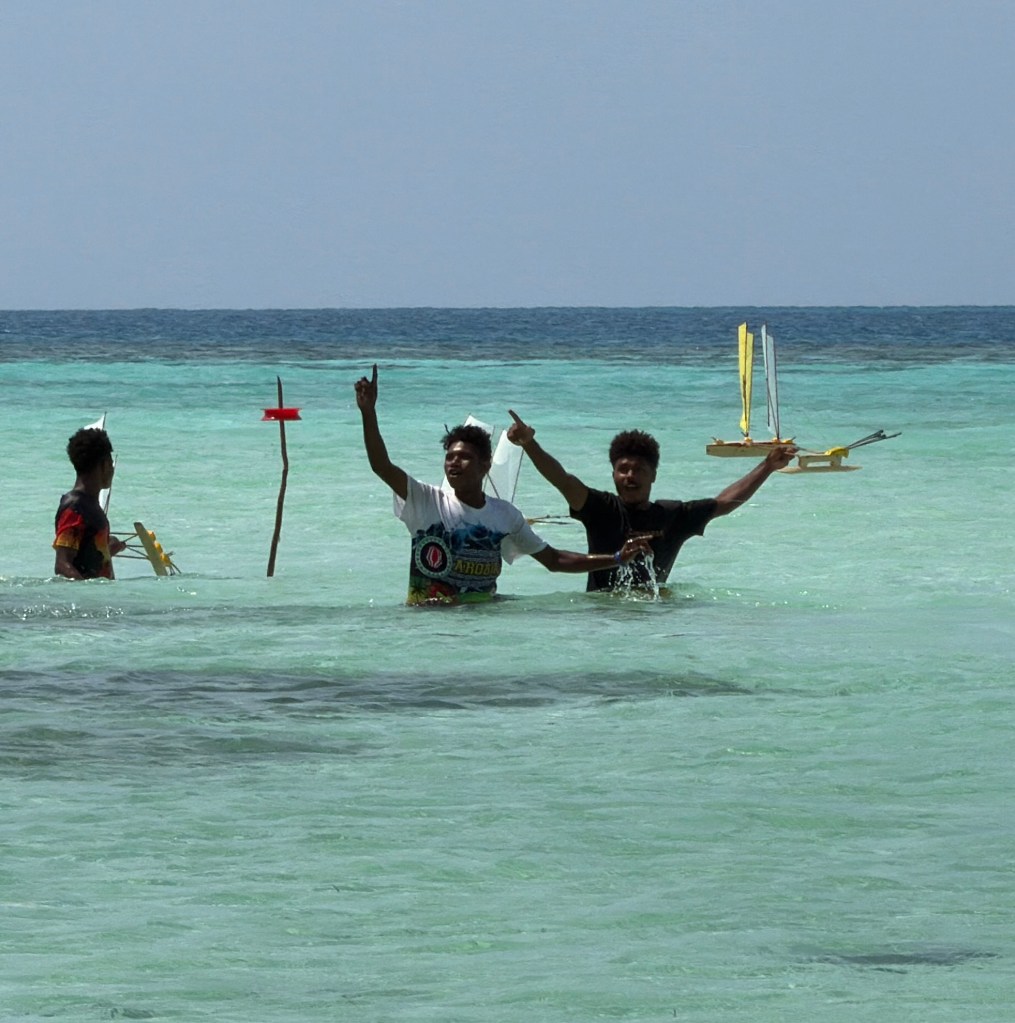
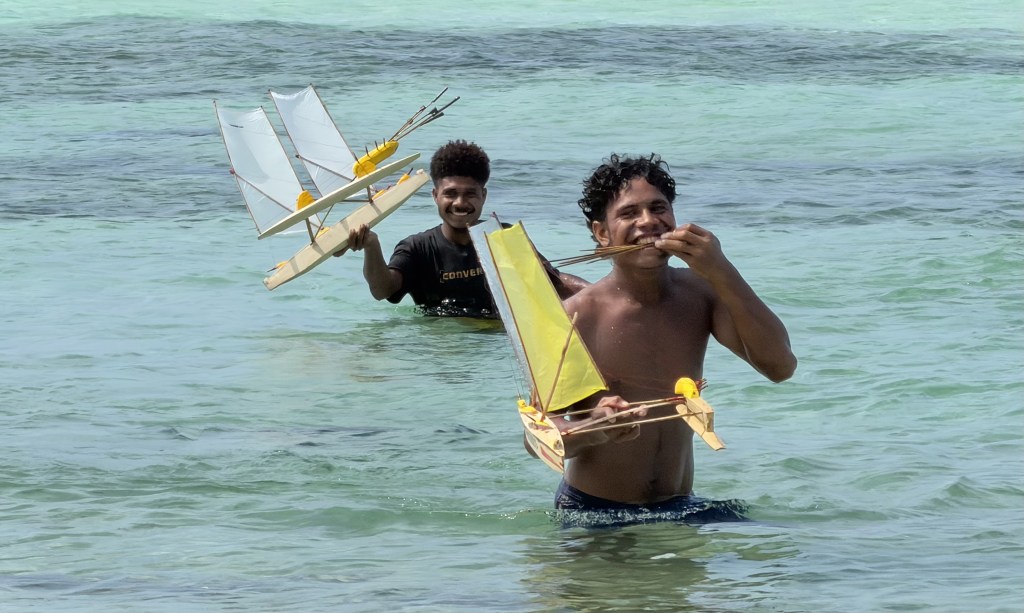
At the end we gave out a random mix of prizes, causing some laughter when we gave bright red nail polish to a bro in 3rd place. Robert showed us his full-scaled traditional sailing canoe and we walked through their small village.
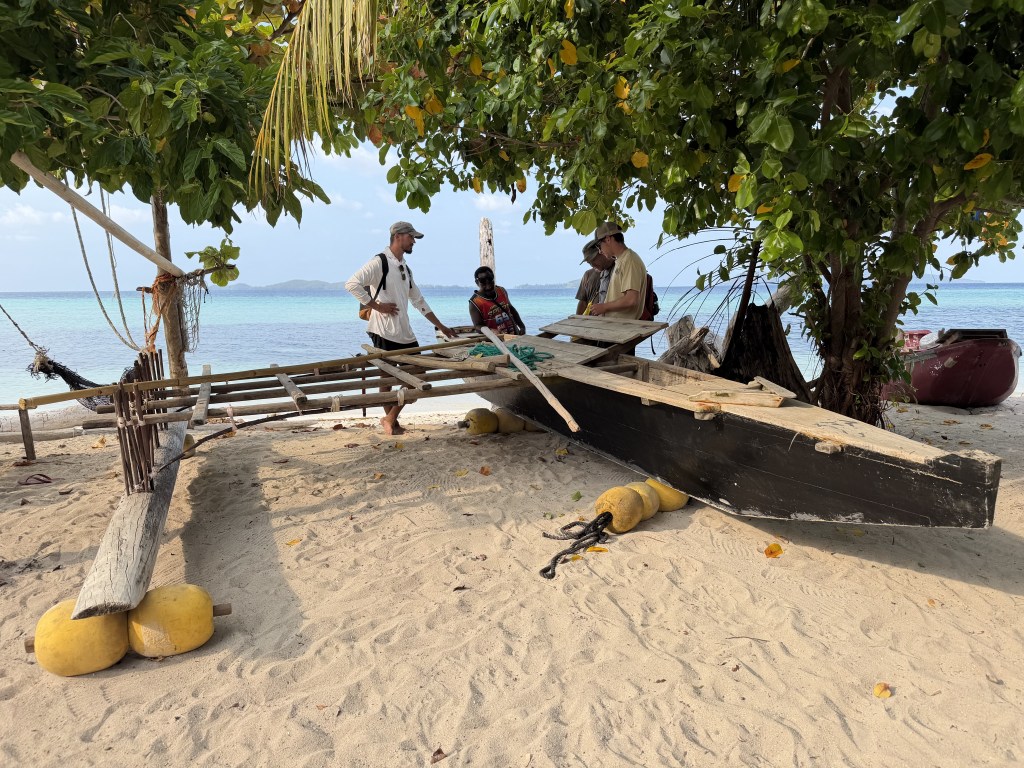
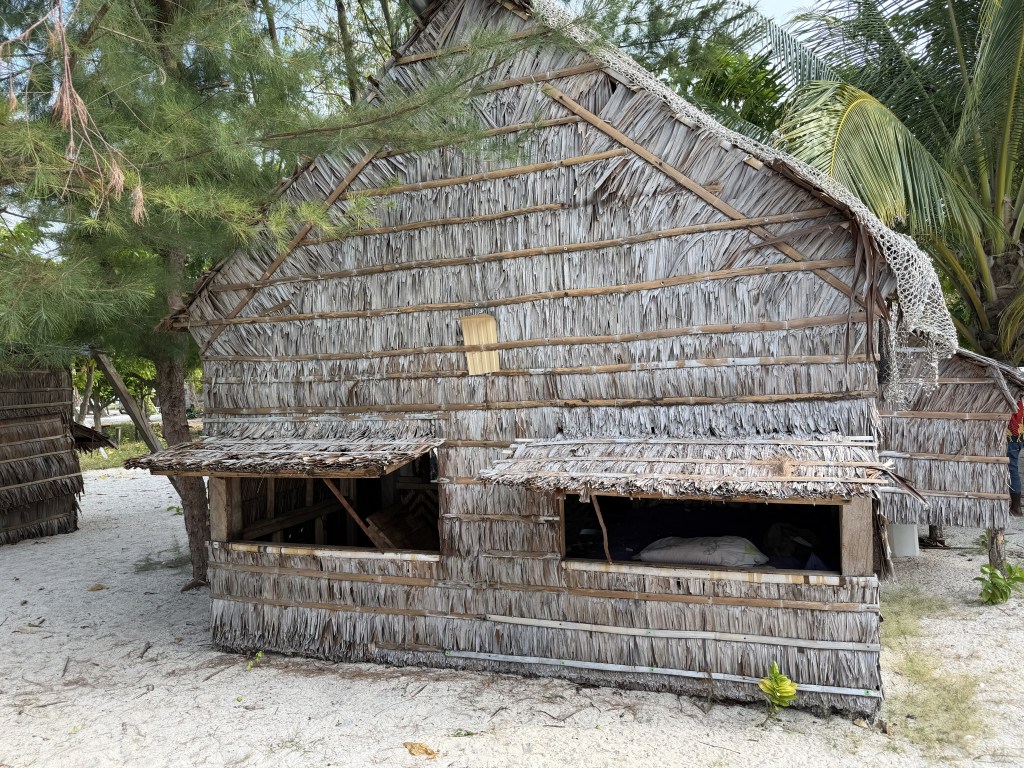
Calder played some volleyball with the local teens, who were excited that he brought a new ball and a ball pump to use on the semi-deflated ones they had. It was such a welcoming community, made even more fun by the addition of the secondary school teens. I asked one if he was sad that his school was closed and he admitted that he was having much fun on this break. Later that night, Silum appeared with a plastic bag; inside was a bush chicken he had just dispatched and cleaned. We are thankful to have some protein.
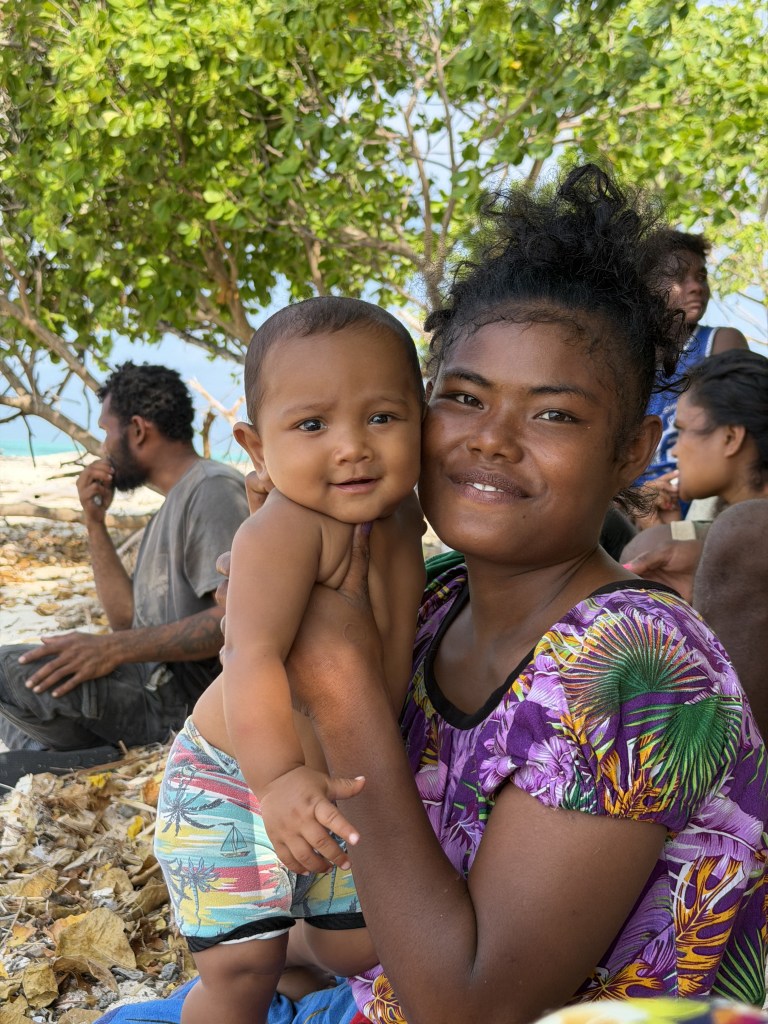
One day, Gerry came over to use Wi-Fi before spear fishing and we saw his falling apart snorkel mask held on by a piece of palm strip. We gifted him a new mask and underwater light, for which he was very thankful, saying that he was going fishing again that night and would stop by to show us what they procured.
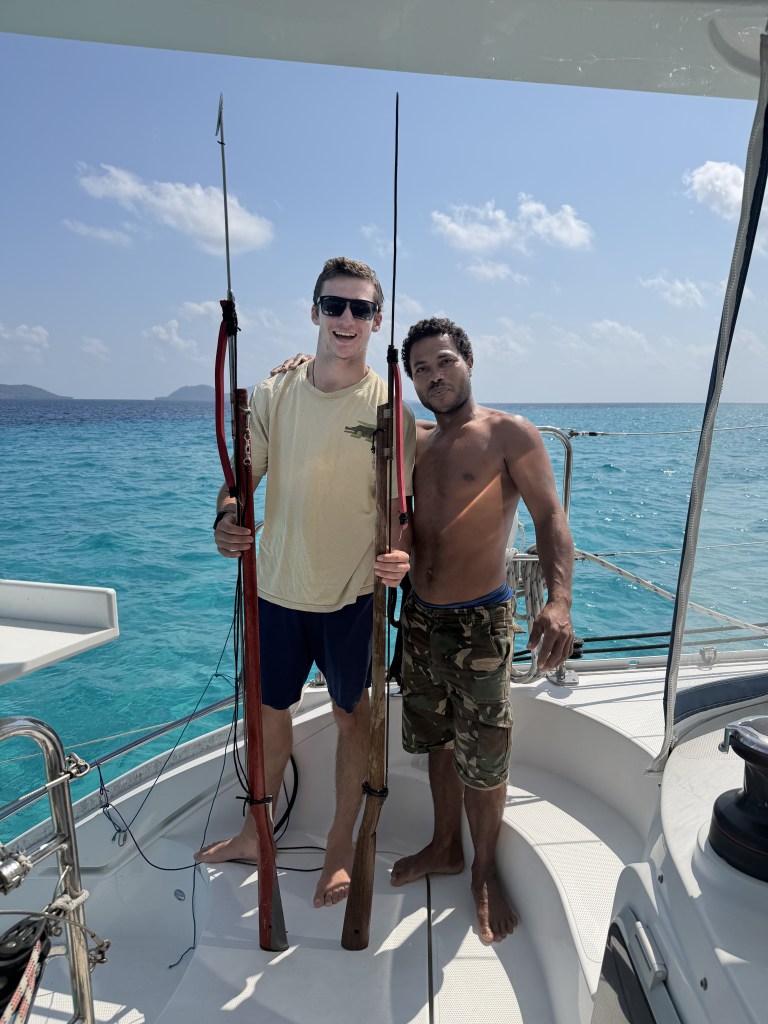
That night, Chris saw lights underwater by our boat and out popped Gerry onto our swimstep. They brought over their canoe and showed us one side full of brightly colored reef fish. Then he showed us a massive Napoleon wrasse that they had speared. Then there it was, their other catch, a sea turtle. We know they eat them here, but this was the first time we’d seen it. I love turtles, but I was less repulsed than I thought I’d be. In fact, this all seemed appropriate for the people of this location.
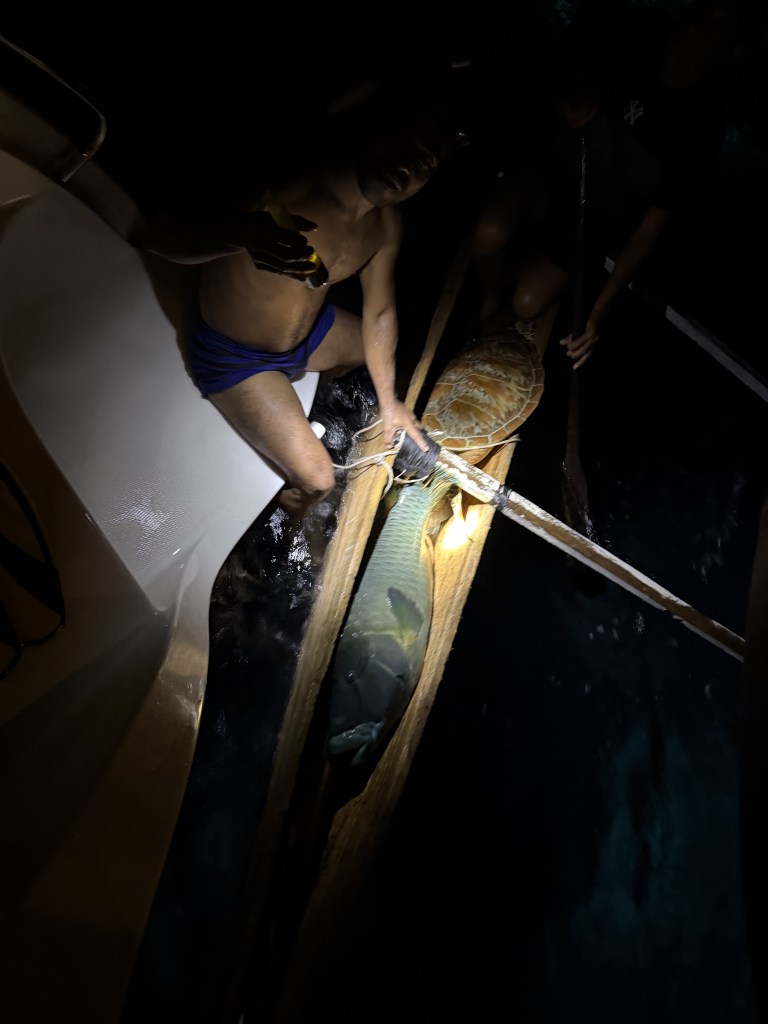
They were excited that they had filled their canoe with food for their expanded village; I know what it’s like to feed teenagers and they had many more teens to feed. After a relaxing and enjoyable time in the blues of the Hermit Island waters, we are off to the next island group, the Ninigo Islands.